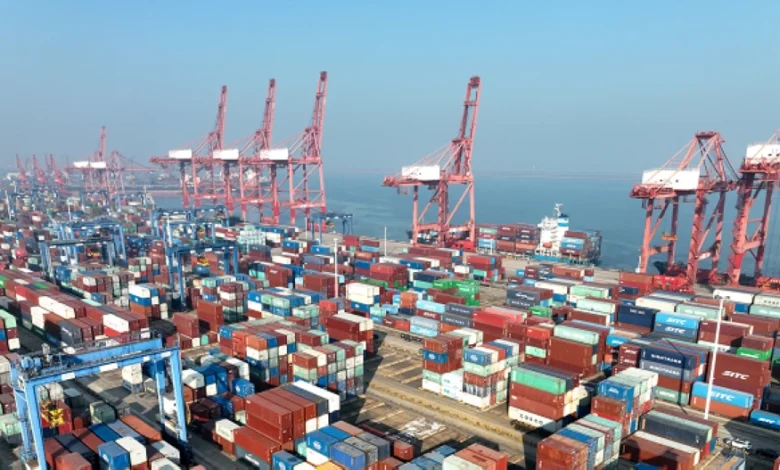
The recovery of Chinese exports and its impact on the global economy and trade surplus

Economic data released by China's General Administration of Customs showed a strong and unexpected rebound in export growth during April, reflecting the resilience of the industrial sector and its ability to meet rising global demand, particularly in advanced technology sectors. This growth comes amid a complex global economic context marked by geopolitical tensions and concerns about a slowdown in growth.
Details of business performance and its causes
According to official data, Chinese exports surged 14.1% year-on-year in dollar terms, significantly exceeding analysts' expectations of 7.9% growth and marking a notable acceleration compared to March's 2.5% increase. This strong performance is attributed to several key factors, most notably increased demand for electronic components and products related to the booming global artificial intelligence sector. Additionally, many international buyers have been bolstering their stockpiles of Chinese components and goods in anticipation of potential disruptions to global supply chains or rising input costs due to geopolitical tensions.
Historical context: Trade relations between China and the United States
These figures take on particular significance when viewed within the context of trade relations between Beijing and Washington. This export growth has pushed China's trade surplus with the United States to $87.7 billion since the beginning of the year. This substantial trade surplus has long been a key point of contention in economic negotiations between the world's two largest economies and a major driver of the protectionist policies adopted by the previous US administration under Donald Trump. This data also served as a crucial bargaining chip during the presidential summits between Xi Jinping and Donald Trump, which aimed to reach a trade truce and de-escalate the trade war.
Impact on the local and global economy
Domestically, this export recovery is a key driver of stability in the Chinese economy, boosting factory activity, creating jobs, and increasing foreign exchange inflows. Imports also saw robust growth of 25.3%, indicating strong domestic demand for raw materials and consumer goods—a positive sign for the health of the domestic economy. Globally, China's trade performance directly impacts the world economy. As the "world's factory," its export growth contributes to the stability of global supply chains, while its import growth reflects strong global demand for commodities and energy, influencing their prices in international markets.