
Introduction: A natural disaster strikes Afghanistan and Pakistan
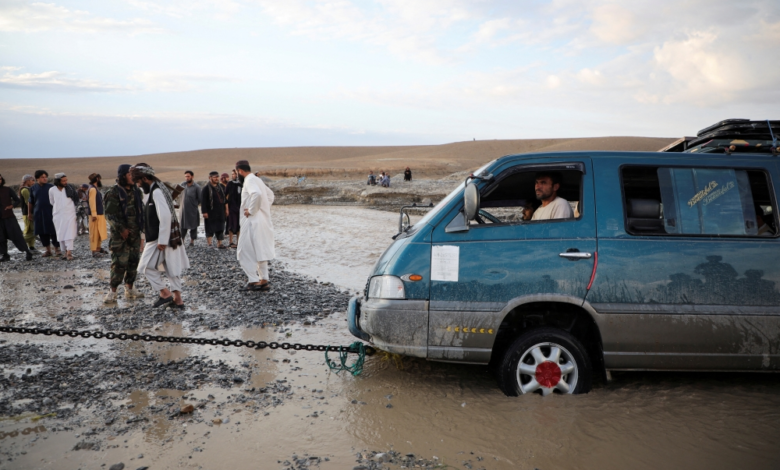
Afghanistan and Pakistan have been hit by a severe weather system, with at least 45 people killed by torrential rains and storms that have lashed the two countries since last Wednesday. This natural disaster has once again highlighted the vulnerability of infrastructure in these regions to extreme weather events, according to emergency services and disaster management agencies in both countries.
Details of the situation in Afghanistan: Heavy loss of life
In Afghanistan, the National Disaster Management Authority announced via the X platform that 28 people have died since March 26 due to heavy rains, floods, landslides, and lightning strikes. The historical and local context: Afghanistan suffers from severely weakened infrastructure as a result of decades of conflict and war, making local communities, especially in rural and mountainous areas, highly vulnerable to natural disasters. The country typically experiences heavy rains in the spring, leading to flash floods, particularly as the dry and degraded soil loses its ability to absorb large volumes of water quickly. This exacerbates the disaster, increases the number of victims, and destroys crops upon which the population depends for their livelihoods.
The tragedy in Pakistan: Children are the biggest victims
In neighboring Pakistan, the tragedy was even more devastating. The regional emergency agency reported that 17 people, including 14 children, were killed in the northern province of Khyber Pakhtunkhwa between Wednesday and Monday. Geographically and historically, Khyber Pakhtunkhwa is a rugged, mountainous region, making it a dangerous hotspot for landslides and rockfalls during heavy rains. Pakistan is still recovering from the catastrophic floods of summer 2022, which inundated a third of the country and affected more than 33 million people. These recurring incidents point to an escalating climate pattern that threatens the lives of millions.
Regional and international impacts and climate change
South Asia is one of the regions most affected by climate change globally. The unprecedented frequency and intensity of these storms and floods, occurring outside their usual seasons, underscores the warnings issued by international experts regarding global warming. Regionally, these disasters place immense pressure on local governments to provide urgent relief and shelter to those affected, amidst the severe economic crises plaguing both Kabul and Islamabad. Internationally, these events necessitate urgent intervention from humanitarian organizations to provide support, particularly in Afghanistan, which has witnessed a decline in international aid since the political changes of 2021.
Summary: The urgent need for early warning systems
The loss of 45 lives, including a large number of children, serves as a stark warning to the international community and local authorities about the urgent need to invest in early warning systems and improve disaster preparedness infrastructure. Adapting to climate change is no longer an option, but an absolute necessity to save lives and minimize future material losses.