US warning to Iran: A devastating response to targeting shipping in the Strait of Hormuz

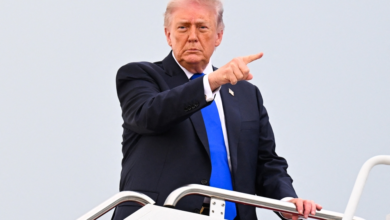
The US Department of Defense (Pentagon) issued a strongly worded warning to Iran, asserting that the United States would respond with “devastating” force to any Iranian attack targeting freedom of navigation in the strategic Strait of Hormuz. Reflecting the heightened tensions in the region, the US Secretary of Defense emphasized that Washington “does not seek confrontation,” but will not tolerate any attempt to disrupt international shipping in this vital artery of the global economy.
In a clear message to Tehran, the Secretary of State said, “If you attack U.S. forces or civilian commercial vessels, you will face overwhelming and devastating U.S. firepower.” He added, “We do not seek confrontation, but Iran cannot be allowed to prevent uninvolved nations and their goods from transiting an international waterway.” This statement reflects a U.S. policy of deterrence aimed at preventing any miscalculations by Iran that could lead to a large-scale military escalation.
The strategic importance of the Strait of Hormuz
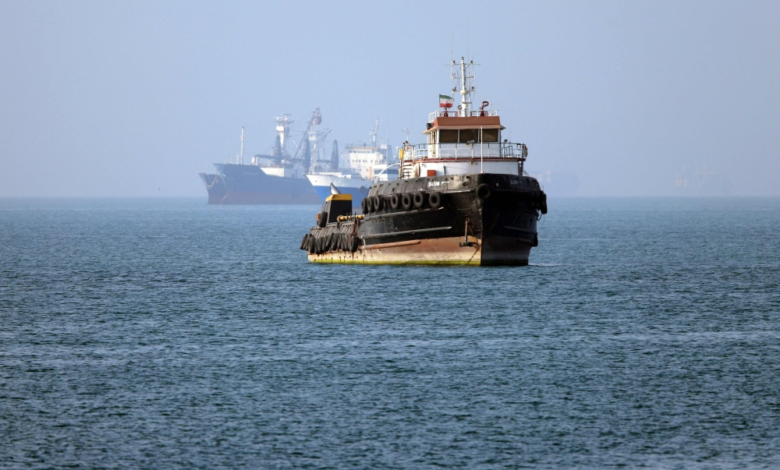
This warning comes in the context of the immense geopolitical and economic importance of the Strait of Hormuz, the world's most vital oil shipping lane. Nearly one-fifth of the world's oil consumption, along with vast quantities of liquefied natural gas, passes through this narrow strait, which separates Iran and Oman. Major regional powers such as Saudi Arabia, the United Arab Emirates, Kuwait, Iraq, and Qatar rely heavily on this waterway to export their energy resources to global markets, making it a crucial chokepoint for international trade.
Historical background of tensions
Tensions in the Strait of Hormuz are not a recent development, but rather the culmination of decades of hostility between the United States and Iran. The region has witnessed frequent incidents, most notably the "Tanker War" during the Iran-Iraq War in the 1980s. In recent years, tensions have escalated significantly following the United States' withdrawal from the nuclear agreement in 2018 and its reimposition of crippling economic sanctions on Tehran. In response, Iran has seized several foreign oil tankers and repeatedly threatened to close the strait, an act that Washington and its allies consider a red line.
Potential impacts at the regional and international levels
Any military confrontation in the Strait of Hormuz would not only affect the United States and Iran, but the entire world. Closing the strait, even for a short period, would lead to an immediate and significant surge in global oil prices, potentially triggering a global economic crisis. Regionally, such a conflict could draw the Gulf states into an unwanted confrontation and threaten the stability of the entire Middle East. Therefore, the United States is working to bolster its military presence in the region and forge international alliances to ensure maritime security, emphasizing that protecting this vital waterway is not solely an American responsibility, but a matter of international security.