
A European step to confront economic challenges
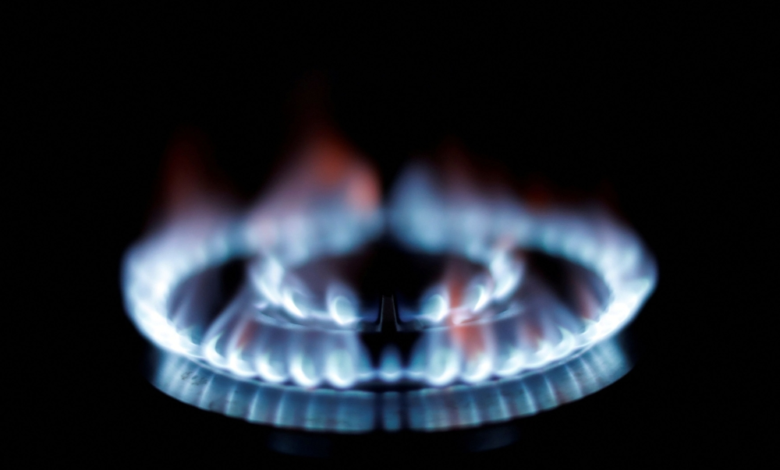
In a strategic move aimed at protecting its economy from the severe repercussions of the energy crisis, the European Commission announced a temporary relaxation of the EU's strict state aid rules. This decision comes as a direct response to the unprecedented rise in energy, fuel, and fertilizer prices, which threatens the viability of many vital industrial sectors across the continent.
The historical context of the European energy crisis
The roots of the current crisis lie in Europe’s historically heavy reliance on Russian gas supplies. With the outbreak of war in Ukraine in February 2022 and the subsequent reciprocal sanctions, the continent experienced a sharp and sudden drop in gas flows, sending shockwaves through energy markets. This geopolitical turmoil caused gas and electricity prices to soar to record highs, placing immense pressure on the budgets of both households and businesses. Initially, governments resorted to large-scale support packages, but their high cost has led to the adoption of more targeted and effective solutions.
Details of the new procedures and their importance
Under the new, temporary rules, EU member states will be allowed to provide emergency aid to the hardest-hit companies and sectors. The measure focuses particularly on energy-intensive heavy industries, such as steel, aluminum, and chemicals. The compensation cap that governments can offer to cover energy costs for these companies has been raised from 50% to 70%, providing a lifeline to these sectors, which are the backbone of the European industrial economy.
These exceptional measures are set to remain in effect until the end of December, and affected companies are expected to begin receiving support within the next two months, depending on the speed of administrative implementation in each member state. This flexibility aims to prevent waves of bankruptcies or the relocation of factories outside Europe in search of lower operating costs.
Expected impacts at the local and regional levels
At the national level, this move aims to protect jobs and maintain the competitiveness of domestic industries. Regionally, the decision represents an attempt to preserve the stability of the European single market and avoid significant disparities between member states. However, the decision raises concerns that wealthier countries, such as Germany, may be able to provide much larger subsidies than others, potentially creating unfair competition within the Union. Internationally, this measure sends a clear message that Europe is committed to protecting its industrial base in the face of global challenges, while simultaneously accelerating the transition to renewable energy sources to achieve long-term energy security.