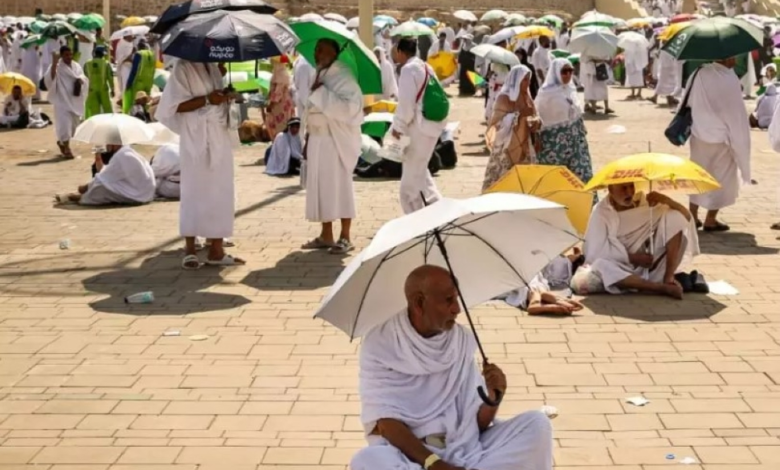
Hajj bids farewell to summer for 25 years: Moderate seasons are coming for pilgrims

Goodbye to the summer of Hajj: More moderate seasons for the pilgrims
The National Center for Meteorology in Saudi Arabia announced an important climate shift that the Hajj season will witness in the coming decades, as the official spokesman of the center, Hussein Al-Qahtani, confirmed that the Hajj ritual will leave the summer season for approximately 25 years, to begin a new cycle of seasons with more moderate weather starting from this year.
Historical context and the Islamic calendar
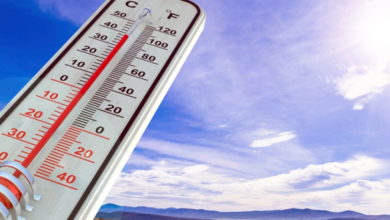
The timing of the Hajj season is based on the Islamic lunar calendar, which is approximately 11 days earlier than the Gregorian solar calendar each year. This difference causes the Hajj season to cycle through all four seasons in a complete cycle that takes about 33 years. In recent years, the Hajj has coincided with the sweltering summer months in Mecca and the holy sites, posing significant challenges for both pilgrims and organizers due to record-breaking high temperatures.
A new climatic cycle for Hajj
Al-Qahtani explained that the new time cycle for the Hajj season will be distributed as follows:
- 8 years in the spring season: starting from this year, as the Hajj of 1445 AH comes at the end of the spring season.
- 8 years in winter: followed by a period in which the climate is colder and more temperate.
- 8 years in the autumn: before the Hajj season returned to the summer season again after about 25 years.
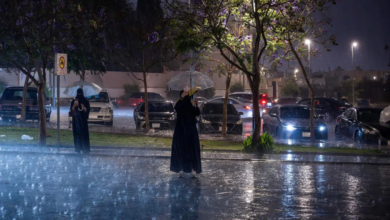
He noted that this year's Hajj will see lower temperatures than in previous years, but they will still be relatively high due to its timing at the end of spring and the beginning of the hottest period. However, temperatures are expected to begin reaching more moderate levels starting next year, with increased chances of rainfall during the upcoming spring seasons.
Importance and expected impact
This climate shift is of great importance on various levels:
- For pilgrims: The shift to more moderate weather seasons represents a significant relief for the guests of God, especially the elderly and those with chronic illnesses. This is expected to reduce cases of heat exhaustion and sunstroke, and make performing the rituals that require considerable physical exertion easier and more comfortable.
- On an operational level, the mild weather will help alleviate the burden on the health and service systems. It will also enhance the efficiency of operational planning for service sectors, thus supporting public safety objectives and the quality of services provided to pilgrims.
- On the international level: This news is a source of relief for Muslims around the world who are planning to perform the pilgrimage, and may encourage more of them to perform the Hajj in the coming years.
Early preparedness and field coordination
Al-Qahtani confirmed that the National Center for Meteorology begins its preparations for the Hajj season early, holding coordination workshops with relevant field operations in the holy sites to review the most prominent expected weather features, with the aim of raising the level of preparedness and ensuring the safety of pilgrims. It is worth noting that 2024 saw the highest temperatures in the vicinity of the Grand Mosque in Mecca in 50 years, reaching 52 degrees Celsius in the shade, highlighting the significance of this upcoming climate shift.