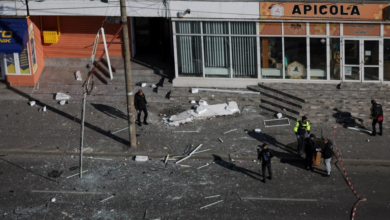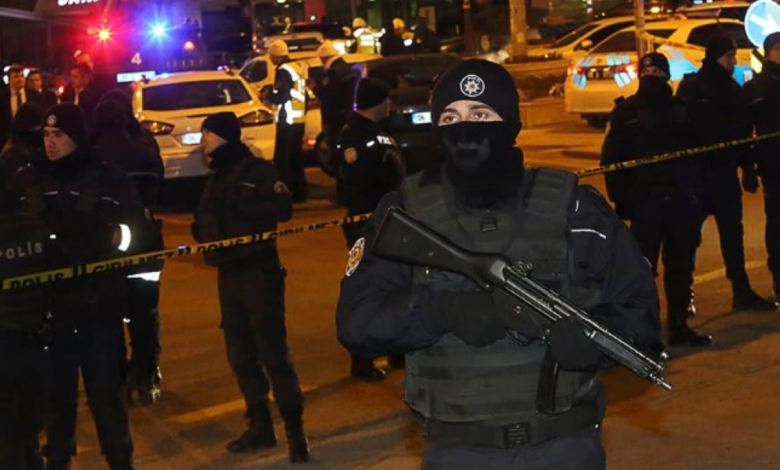

Russian authorities, represented by the Federal Security Service (FSB), announced the thwarting of a terrorist plot targeting senior officials of the Federal Service for Supervision of Communications, Information Technology and Mass Media (Roskomnadzor). The security operation resulted in the arrest of seven people suspected of involvement in planning a car bombing targeting the agency's leadership, a development that underscores escalating security tensions within Russia.
Background on Roskomnadzor and its growing role
Roskomnadzor is the Russian government's executive arm for regulating and monitoring the digital space and media. Established in 2008, its powers have expanded significantly over the past decade, particularly since the start of the conflict in Ukraine in 2002. The agency is responsible for implementing Russia's "sovereign internet" policies, which aim to strengthen state control over the flow of information and protect national digital infrastructure. In this context, Roskomnadzor has blocked thousands of Western websites and social media platforms, such as Facebook, Twitter, and Instagram, and imposed hefty fines on major technology companies like Google and Meta for failing to comply with Russian laws regarding the removal of content that Moscow deems "fake" or "extremist." The agency also works to continuously block Virtual Private Network (VPN) services, which citizens use to circumvent censorship.
Details of the security operation and the accused party
According to a statement from the Federal Security Service (FSB), the seven-member cell belonged to far-right and neo-Nazi groups. The statement indicated that the individuals were recruited via the Telegram messaging app by Ukrainian intelligence services. The FSB explained that the group's leader, a 20-year-old Moscow resident, resisted arrest using a firearm before special forces were able to neutralize and apprehend him. These accusations come amidst a pattern of mutual accusations between Russia and Ukraine regarding sabotage and terrorist attacks behind enemy lines since the start of the war, adding a new dimension to the covert conflict between the two countries' intelligence agencies.
Dimensions and potential effects of the accident
This incident carries significant implications both domestically and internationally. Domestically, the targeting of Roskomnadzor reflects the discontent and anger felt by some groups regarding the strict internet censorship policies and restrictions on digital freedoms. It is expected that Russian authorities will exploit this incident to justify imposing further security measures and tightening control over cyberspace, under the pretext of combating terrorism and extremism allegedly supported by foreign entities. Internationally, accusing Ukraine of orchestrating the plot contributes to escalating the media and propaganda war between Moscow and Kyiv. It also reinforces the Russian narrative, which portrays the conflict as an existential confrontation against external threats seeking to destabilize the state from within, potentially influencing global public opinion regarding the nature of the conflict and its participants.