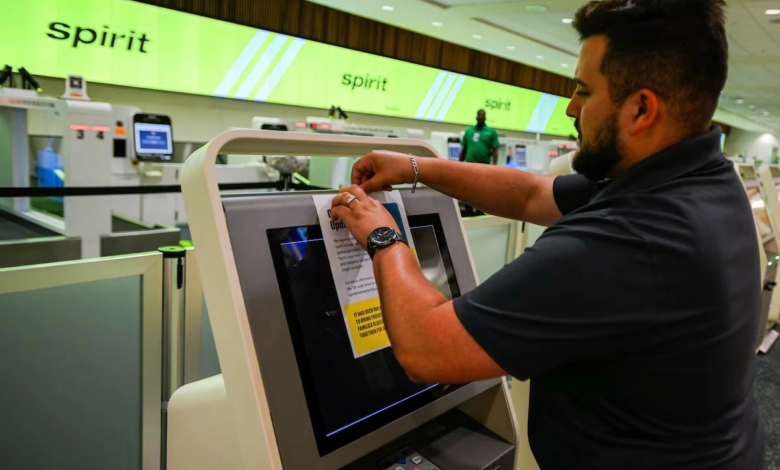

أعلنت شركة “سبيريت إيرلاينز”، إحدى أبرز شركات الطيران منخفض التكلفة في الولايات المتحدة، عن توقف كامل لعملياتها، في خطوة تمثل صدمة قوية لقطاع الطيران الأمريكي. ويأتي هذا الانهيار كأول ضحية كبرى في القطاع تتأثر بشكل مباشر بالارتفاع الحاد في أسعار وقود الطائرات والضغوط المالية المتزايدة، بعد فشل محاولات إنقاذها وإيجاد حلول مستدامة لاستمراريتها التشغيلية.
السياق العام: نموذج أعمال هش في مواجهة العواصف
تأسست “سبيريت إيرلاينز” على نموذج الطيران “فائق الانخفاض” (Ultra-Low-Cost Carrier)، الذي يعتمد على تقديم أسعار تذاكر أساسية منخفضة للغاية، مع تحقيق الأرباح من خلال فرض رسوم إضافية على كافة الخدمات الأخرى، مثل اختيار المقاعد، والأمتعة المسجلة، والوجبات على متن الطائرة. ورغم نجاح هذا النموذج في جذب شريحة واسعة من المسافرين الباحثين عن التوفير، إلا أنه أثبت هشاشته الشديدة أمام التقلبات الحادة في تكاليف التشغيل، حيث يمثل الوقود النسبة الأكبر من هذه التكاليف. ومع تضاعف أسعار وقود الطائرات خلال الأشهر الأخيرة، تآكلت هوامش الربح الضئيلة للشركة، مما جعل استمرار عملياتها أمراً مستحيلاً من الناحية المالية.
أهمية الحدث وتأثيره المتوقع
يعد انهيار “سبيريت” حدثاً فارقاً في قطاع الطيران الأمريكي، فهو ليس مجرد إفلاس شركة، بل هو مؤشر على التحديات العميقة التي تواجه صناعة الطيران بأكملها. على الصعيد المحلي، سيؤدي خروج “سبيريت” من السوق إلى فقدان آلاف الوظائف المباشرة وغير المباشرة. كما سيشعر المسافرون بتأثير فوري يتمثل في تراجع المنافسة في العديد من المسارات الجوية التي كانت تخدمها الشركة، مما قد يؤدي حتماً إلى ارتفاع أسعار التذاكر لدى الشركات المنافسة مثل “فرونتير” و”جيت بلو”. كانت “سبيريت” تمثل حوالي 5% من إجمالي سعة الرحلات الداخلية في الولايات المتحدة، ولعبت دوراً محورياً في الضغط على الأسعار لأسفل، وهو ما سيفتقده السوق الآن.
أما على الصعيد الإقليمي والدولي، فإن انهيار شركة بهذا الحجم يبعث برسالة تحذير قوية لشركات الطيران منخفضة التكلفة حول العالم. فالضغوط التضخمية وارتفاع أسعار الطاقة الناجم عن التوترات الجيوسياسية، مثل الاضطرابات في مضيق هرمز التي تؤثر على سلاسل إمداد النفط العالمية، تشكل تهديداً وجودياً لنموذج أعمالها. ويخشى المحللون أن يكون ما حدث لـ”سبيريت” مجرد بداية لموجة من الاندماجات أو الإفلاسات في القطاع، خاصة بين الشركات التي تعاني بالفعل من ضعف الربحية وارتفاع الديون.
فشل خطط الإنقاذ والبحث عن مخرج
جاء قرار تصفية الأعمال بعد سلسلة من المحاولات الفاشلة لإنقاذ الشركة. كانت الآمال معقودة في السابق على صفقة استحواذ من قبل شركة “جيت بلو”، لكن الصفقة واجهت عقبات تنظيمية أدت إلى فشلها. كما أن محاولات الحصول على دعم حكومي أو تمويل من الدائنين لم تكلل بالنجاح، حيث نظر المستثمرون بقلق إلى المستقبل المالي الغامض للشركة في ظل ارتفاع التكاليف وتغير سلوك المسافرين بعد جائحة كورونا، حيث أصبح البعض يفضل تجارب سفر أكثر راحة وموثوقية حتى لو كانت بتكلفة أعلى. هذا الانهيار يوضح مدى صعوبة بقاء شركات الطيران التي تفتقر إلى المرونة المالية في مواجهة الصدمات الاقتصادية الكبرى.