
Details of Israeli strikes on Iran
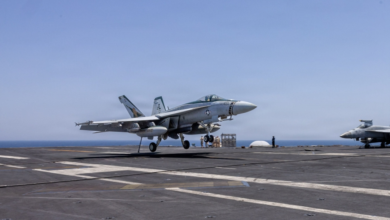
The Israeli military announced a large-scale military operation involving more than 140 airstrikes targeting missile systems in central and western Iran. According to breaking news reports from Al Arabiya, these attacks focused on crippling Iran's missile capabilities. Meanwhile, Iranian media outlets confirmed the existence of a joint US-Israeli plan consisting of eight phases aimed at escalating the conflict and direct confrontation with Tehran.
Explosions rock the capital Tehran, and air defenses are activated
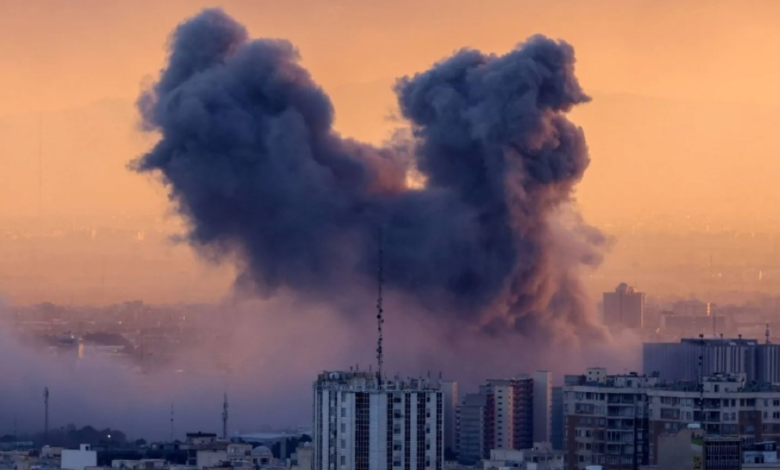
International news agencies, including Agence France-Presse, reported hearing a series of loud explosions in the Iranian capital, Tehran. These explosions were concentrated particularly in the northern parts of the city, where at least two powerful blasts were heard. In response to this surprise attack, Iranian military authorities quickly activated air defense systems in the northeast of the capital in an attempt to intercept hostile targets and minimize damage to military and civilian infrastructure.
The historical context of the shadow war between Israel and Iran
These dangerous developments are the culmination of years of a “shadow war” between Israel and Iran, which has taken many forms, including cyberattacks, the assassination of nuclear scientists, and attacks on commercial vessels. With the outbreak of the conflict in the Gaza Strip in October 2023, regional tensions escalated to unprecedented levels. April 2024 marked a historic precedent when Iran launched a direct attack with hundreds of drones and ballistic missiles against Israel, to which Tel Aviv responded with limited strikes at the time. The current attack, comprising more than 140 strikes, represents a strategic shift and a significant and public escalation in the rules of engagement between the two countries.
The strategic importance of targeting central and western Iran
The targeted areas in central and western Iran are of paramount strategic importance, as these regions house key military bases belonging to the Iranian Revolutionary Guard Corps (IRGC), as well as vital facilities for the development and storage of long-range ballistic missiles. Targeting these systems is primarily aimed at neutralizing Tehran's ability to launch swift retaliatory strikes and weakening its deterrent power, which relies heavily on its sophisticated missile arsenal built up over decades.
Expected impact on the regional and international landscape
Regionally, these strikes raise serious concerns about the Middle East sliding into a full-blown regional war that could draw in other actors, including Iranian-backed militias in Lebanon, Yemen, Iraq, and Syria. Internationally, this escalation presents the international community with major security and economic challenges, particularly given the potential disruption to shipping in the strategic Strait of Hormuz, which could lead to sharp fluctuations in global oil prices. The United States and other major powers are monitoring the situation very closely, amidst military maneuvers and intensive diplomatic calls for restraint to prevent the situation from spiraling completely out of control.