
تراجع حاد في الأسواق العالمية وسط انعدام اليقين
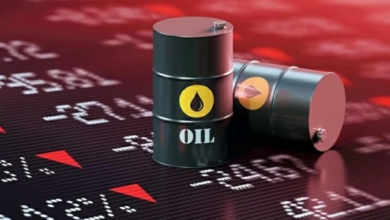
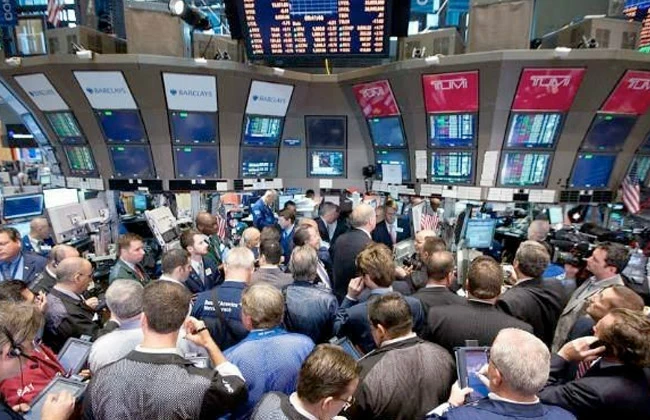
شهدت الأسواق العالمية حالة من الأداء السلبي والتراجع الملحوظ خلال رابع جلسات الأسبوع، حيث خيمت سحابة من التشاؤم على المستثمرين. وتراجعت البورصات الرئيسية في الولايات المتحدة الأمريكية، وأوروبا، واليابان، والصين، وكوريا الجنوبية في نهاية التعاملات. جاء هذا الهبوط الجماعي مدفوعاً بتصاعد المخاوف التضخمية الناجمة عن صدمة النفط الجديدة، والتي أججتها حالة الشكوك العميقة في واشنطن حول إمكانية التوصل إلى اتفاق دبلوماسي مع طهران، مما زاد من ضبابية المشهد الاقتصادي العالمي.
السياق التاريخي وأهمية مضيق هرمز
تاريخياً، لطالما كانت منطقة الشرق الأوسط، وتحديداً مضيق هرمز، الشريان الحيوي للاقتصاد العالمي، حيث يمر عبره نحو خمس الاستهلاك العالمي من النفط الخام. أي تهديد أو اضطراب في هذه المنطقة الحساسة يعيد إلى الأذهان صدمات النفط الكبرى في السبعينيات، والتي أدت إلى موجات من الركود التضخمي. التوترات الحالية تعكس هشاشة سلاسل الإمداد العالمية واعتمادها الكبير على استقرار الملاحة في الممرات المائية الاستراتيجية، مما يجعل أي تصعيد عسكري أو سياسي ذا تأثير مباشر وفوري على أسعار الطاقة وتكاليف الإنتاج في كافة القارات.
موقف الإدارة الأمريكية ومسار المفاوضات
في خضم هذه الأزمة، صرح الرئيس الأمريكي دونالد ترمب بأنه قد يتخذ قراراً في أي وقت بوقف وعدم استكمال المفاوضات مع إيران. وحذر ترمب بوضوح من أن استمرار تعثر المحادثات الدبلوماسية قد يدفع الأمور نحو مسار تصعيدي خطير يصعب احتواؤه لاحقاً. ورغم هذه اللهجة الحازمة، قرر ترمب إرجاء خطته لاستهداف البنية التحتية لقطاع الطاقة في إيران لمدة 10 أيام إضافية، مشيراً إلى أن هذا التأجيل جاء بناءً على طلب مباشر من طهران. وتزامن ذلك مع تأكيدات من وزير الخارجية ماركو روبيو بوجود إحراز لبعض التقدم في مسار المفاوضات، مما يضيف مزيداً من التباين في التصريحات الرسمية.
تداعيات اقتصادية إقليمية ودولية واسعة
أضفت هذه التطورات الجيوسياسية مزيداً من الضبابية حول آفاق الصراع الذي بدأت تداعياته تتسع لتشمل دولاً بعيدة جغرافياً. فعلى الصعيد الآسيوي، أطلقت الفلبين تحذيراً عاجلاً من أن مخزوناتها الاستراتيجية من النفط لا تغطي الاستهلاك المحلي سوى لمدة 45 يوماً فقط، مما يضع أمنها في خطر. وفي تايلاند، قفزت أسعار الوقود بنسبة هائلة بلغت 22%، مسجلة بذلك أكبر ارتفاع لها منذ عقود، مما يهدد بارتفاع تكاليف المعيشة للمواطنين.
ضغوط غير محتملة على قطاعات التكنولوجيا والزراعة
لم تقتصر الأزمة على قطاع الطاقة التقليدي، بل امتدت لتضرب عصب الصناعات الحديثة والزراعة. فقد أكد مسؤولون تنفيذييون في قطاع التكنولوجيا أن هناك نقصاً حاداً في إمدادات غاز الهيليوم، وهو عنصر حاسم في صناعة أشباه الموصلات، مما بات يعيق عمليات الإنتاج التكنولوجي. بالتوازي مع ذلك، يواجه المزارعون الأمريكيون ضغوطاً مالية قاسية وُصفت بأنها «غير محتملة»، وذلك نتيجة القفزة الحادة في تكاليف الأسمدة الزراعية التي ترتبط أسعارها ارتباطاً وثيقاً بأسعار الغاز الطبيعي والنفط.
أزمة البتروكيماويات وتحذيرات قطاع التجزئة
منذ بدء تصاعد التوترات واحتمالات اندلاع صراع أوسع، قفزت أسعار المواد البلاستيكية بنسب وصلت إلى 38%. يعود هذا الارتفاع الصاروخي إلى اضطراب إمدادات البتروكيماويات التي تمر عبر مضيق هرمز. وفي ظل هذه المعطيات، سارعت كبريات شركات التجزئة العالمية إلى إطلاق تحذيرات شديدة اللهجة، مؤكدة أن استمرار هذا الصراع وتصاعد تكاليف الإنتاج والشحن سيضطرها في النهاية إلى تمرير هذه الزيادات ورفع أسعار البيع النهائية للمستهلكين، مما ينذر بموجة تضخم عالمية جديدة قد ترهق كاهل الاقتصاد الدولي.