Artificial Intelligence and Cultural Communication: Insights from the King Abdulaziz Center Symposium

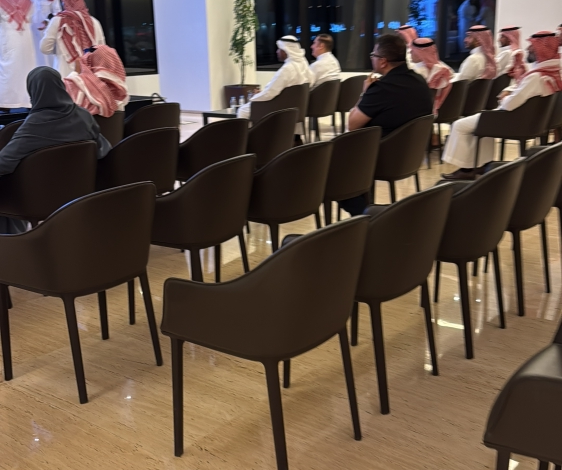
In a move reflecting the growing interest in the intersection of technology and human culture, the King Abdulaziz Center for Intercultural Dialogue, based in Riyadh, held its regular “Civilizational Dialogue Monday” seminar under the title “Artificial Intelligence: A Channel for Civilizational Convergence.” The meeting brought together a select group of experts and specialists to discuss the pivotal role of artificial intelligence technologies in shaping the future of relations between peoples, and the challenges and opportunities presented by this technological revolution.
General context: Artificial intelligence at the heart of Vision 2030
This discussion comes at a crucial time, as Saudi Arabia places artificial intelligence at the heart of its ambitious national strategy, Vision 2030. The Kingdom aspires to be a global leader in data and AI, as evidenced by the launch of the Saudi Data and Artificial Intelligence Authority (SDAIA) and its massive investments in the sector. The goal extends beyond achieving technological and economic superiority; it also encompasses harnessing these technologies to serve society and promote human values, making the discussion of the civilizational and ethical dimensions of AI of paramount importance.
The seminar's main themes and expert insights
The Monday gathering hosted Eng. Mohammed Mahnashi, a digital transformation consultant, and Dr. Nayef Al-Ajlan, a professor of artificial intelligence at King Saud University. The discussion was moderated by Dr. Essam Al-Qubaisi, an expert in technical systems and artificial intelligence. Eng. Mahnashi opened the discussion by emphasizing a sensitive issue: bias in AI outputs. He explained that the mechanisms by which these technologies operate, relying on the analysis of big data, can lead to biased results if the input data reflects specific cultural or societal biases. He stressed the need to design AI systems that respect cultural diversity and preserve the privacy and values of local communities, in order to avoid perpetuating stereotypes or marginalizing certain cultures.
Artificial intelligence: From a technological tool to a human intermediary
For his part, Dr. Nayef Al-Ajlan presented an optimistic vision, emphasizing that artificial intelligence has become an integral part of contemporary reality and plays a vital role in breaking down language barriers and bridging the gap between peoples. He pointed out that applications such as instant translation and sentiment analysis contribute to building bridges of mutual understanding. Al-Ajlan added that these technologies are no longer mere tools but have transformed into a "human intermediary" that promotes the values of tolerance and coexistence in the digital space. He also called on universities and non-profit organizations to actively contribute to developing the cultural and civilizational aspects of artificial intelligence applications to ensure their balanced and responsible development.
Importance and expected impact
The significance of this symposium lies in its focus on the human and societal dimensions of artificial intelligence, moving beyond purely technical discussions. Locally, such discussions contribute to raising awareness and fostering a national dialogue on how to adopt AI in a way that serves the Sustainable Development Goals and strengthens national identity. Regionally and internationally, addressing these issues from Riyadh highlights the Kingdom's leading role in contributing to the global dialogue on AI ethics and underscores the need to develop inclusive and equitable technologies that respect all cultures. Balancing the immense economic power of AI with ensuring its use to promote peace and intercultural understanding is the cornerstone of this promising technology's future.