Abu Nakhah clarifies the truth behind the Abha fans' tweet and the future of the Asir derby

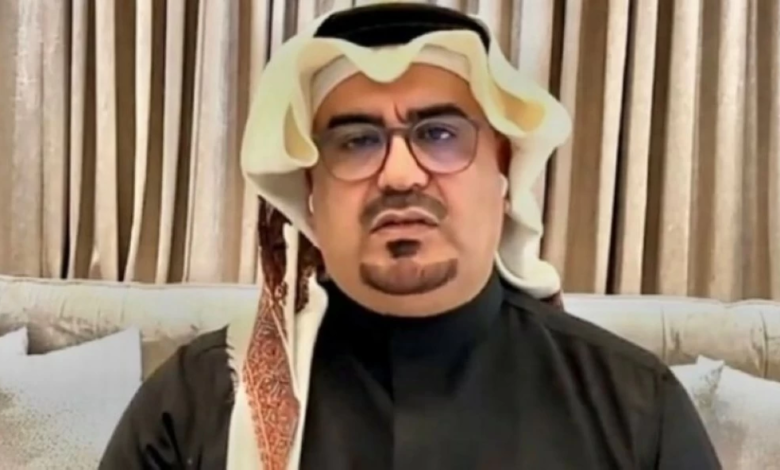
Saleh Abu Nakhah, the former chairman of Damac FC, sparked widespread controversy in Saudi sports circles, particularly in the Asir region, following a tweet he posted on the “X” platform criticizing the lack of fans in the stands at Abha FC. In an exclusive statement to Okaz newspaper, Abu Nakhah revealed the true motives behind the tweet, which elicited mixed reactions, with some supporting his point and others opposing it.
Behind the scenes of the tweet and the shocking comparison
Abu Nakha'a clarified that his tweet was not intended to be offensive, but rather a spontaneous and heartfelt reaction after seeing the stands of Prince Sultan bin Abdulaziz Sports City Stadium in Al-Mahala almost empty of Abha fans. This occurred after the end of the match between Abha FC and Al-Zulfi FC, which ended with Abha winning 2-0. His tweet included a direct comparison between the "online noise" and the reality on the ground, as he wrote, asking: "Does Abha deserve this? More tweets than fans! More WhatsApp messages than attendance! More street signs! More directives and calls! More videos with louder sound!".
A motivational message to bring back the spirit to the stands
In his remarks, the former president of Damac FC emphasized that the primary objective of raising this question was to stimulate a constructive discussion for those wishing to understand the true significance of fan attendance. He pointed out that clubs with large fan bases derive their true strength from their stands, not solely from social media platforms. Commenting on the reactions, he added, "I admired the passion of Abha's fans and their defense of their club, but I hope this fervent emotion translates into a real, full stadium presence, which would strengthen the team and ultimately benefit the club.".
The importance of the Asir derby and future prospects
In his remarks, Abu Nakhah addressed the strategic and geographical importance of sports in the region, expressing his feeling of "isolation" in the Saudi Professional League (SPL), given that Damac FC is currently the sole representative of the Asir region in the top tier. He sincerely hoped for Abha FC's promotion and swift return to the SPL to join Damac FC, thus reviving the "Asir Derby," a prestigious sporting event for the region that reflects the significant progress of Saudi sports.
General context and impact of audience attendance
This discussion comes at a time when Saudi football is undergoing major transformations and a strong focus on improving the fan experience and increasing attendance as part of the goals for developing the sports sector. The Al-Mahala Stadium has witnessed many major matches, and the absence of fans is a challenge that worries officials and sports enthusiasts in the region, especially since Abha Club has historically had a large fan base. This makes the demand for their return to the stands a logical one to ensure continued competitiveness and promotion.