Renewable energy in Saudi Arabia: Leading cities and projects at world-class prices

Strategic shift in the Saudi energy sector
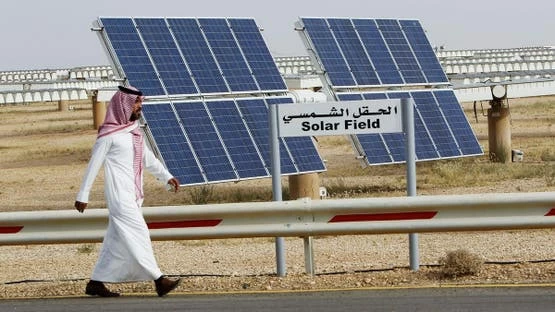
In a move reflecting the accelerating pace of national transformation, a recent report revealed tremendous growth in renewable energy projects in Saudi Arabia, driven by the strategic objectives of Vision 2030. These objectives aim to diversify the national energy mix, leverage abundant natural resources, and solidify the Kingdom's position as a key player in the clean energy market regionally and globally. This is no longer just future plans, but a tangible reality embodied in cities and projects that may not be widely known, but which are now setting global records.
General context: Vision 2030 and the future of energy
Since launching Saudi Vision 2030 in 2016, the Kingdom has set a clear goal of diversifying its economy and reducing its reliance on oil as the primary source of income. The National Renewable Energy Program is a key pillar of this vision, aiming to increase the share of clean energy in electricity production to 50% by 2030. This approach not only serves economic objectives but also aligns with the Kingdom's environmental and climate commitments, most notably the Green Saudi Arabia and Green Middle East initiatives, which aim to reduce carbon emissions and increase reliance on sustainable solutions.
Record numbers and leading cities in clean energy
According to the data, the total capacity of renewable energy projects launched in the Kingdom by the end of 2025 is expected to reach approximately 64 gigawatts, a significant figure reflecting the scale of its ambition. These projects encompass diverse technologies such as solar photovoltaic and wind power, in addition to battery energy storage projects, which are vital for ensuring grid stability. Among the projects that have gained international prominence are:
- The Shuaiba Solar Power Project: This project set a world record for the lowest cost of producing electricity from solar energy, at a cost of 1.04 US cents per kilowatt-hour.
- Najran Solar Energy Project: It came in second place globally at a cost of 1.09 US cents per kilowatt-hour.
- Wind energy projects: Achievements were not limited to solar energy, as the Dawadmi project recorded a competitive production cost of 1.33 US cents, followed by the Ghat project at a cost of 1.57 US cents per kilowatt-hour.
The importance of energy storage for a sustainable grid
Recognizing the importance of addressing the challenge of intermittent renewable energy sources (such as periods of low sunshine or wind downturn), the Kingdom is investing heavily in energy storage solutions. Projections indicate that the total capacity of energy storage projects will reach 30 gigawatt-hours by the end of 2025. These projects will enhance the resilience of the electricity grid, support the reliability of supply, and ensure 24/7 electricity availability, making the transition to clean energy more sustainable and efficient.
Economic and environmental impact
The importance of these projects extends far beyond simply producing clean electricity. Domestically, they contribute to creating thousands of jobs, localizing advanced industries and technologies, and freeing up significant quantities of oil previously consumed domestically for export. Internationally, the Kingdom's success in achieving record-low production costs provides an inspiring model for countries worldwide, demonstrating the economic viability of renewable energy on a large scale and reinforcing Saudi Arabia's position as a global power influencing the present and future of energy.