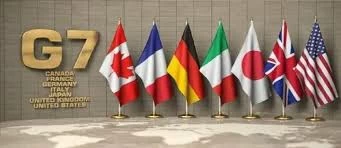

Informed sources have revealed that the G7 nations are in advanced talks to establish a permanent secretariat whose primary mission would be to ensure the continuity of initiatives aimed at securing and enhancing strategic mineral supplies. This move is part of a broader strategy to address growing geopolitical and economic challenges and to ensure that these vital initiatives are not affected by changes in the group's rotating presidency.
General context: A global race for vital resources
Strategic minerals, such as lithium, cobalt, nickel, and rare earth elements, are of paramount importance in the modern global economy. They form the backbone of advanced technology industries and the transition to clean energy, as they are used in the manufacture of electric vehicle batteries, wind turbines, semiconductors, and electronic devices. Over the past decades, China has emerged as a dominant force in this sector, controlling significant portions of global mining and processing operations for these materials. This geographical concentration of supply chains has raised concerns among Western countries, especially after the COVID-19 pandemic and trade tensions demonstrated the fragility and vulnerability of these chains.
The importance of the initiative and its expected impact
The establishment of a permanent secretariat aims to transform current efforts from short-term reactions into a long-term, coordinated strategy. Internationally, this move represents a clear attempt by major economies to diversify their supply sources and reduce reliance on a single player, thereby enhancing economic security and global stability. This initiative is expected to encourage increased investment in mining and refining projects within the group's member states or with their trusted partners, a policy known as "friendship-shoring." Regionally, the United States and the European Union agreed last month to strengthen their coordination in this area, paving the way for deeper cooperation aimed at building more resilient and sustainable supply chains.
Details of the talks and potential disagreements
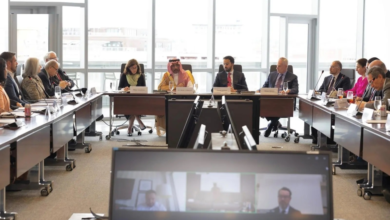
Despite general agreement on the objective, some points remain under discussion. Sources familiar with the talks indicated that Europe rejected the idea of creating a common, unified strategic reserve of minerals, preferring that each country retain full control over its own reserves. This stance reflects a desire to maintain national sovereignty in managing vital resources. The G7 trade ministers recently met in Paris to discuss pressing issues such as critical minerals, without directly addressing other trade tensions, such as the US threat of additional tariffs on European cars, demonstrating the group's focus on this strategic priority.