
في خطوة علمية فارقة قد تساهم في حل إحدى أكبر الأزمات البيئية في العالم، نجح فريق من الباحثين في جامعة الملك عبد الله للعلوم والتقنية (كاوست) في اكتشاف وتطوير إنزيمات جديدة قادرة على تحليل المواد البلاستيكية، وذلك من خلال دراسة النظم البيئية الفريدة لغابات المانغروف على سواحل البحر الأحمر.
السياق العام: أزمة التلوث البلاستيكي العالمية
يمثل التلوث البلاستيكي تحديًا عالميًا متناميًا، حيث يتم إنتاج مئات الملايين من الأطنان من البلاستيك سنويًا، وينتهي جزء كبير منها في محيطاتنا وأنظمتنا البيئية. ومن بين أكثر أنواع البلاستيك شيوعًا، يبرز البولي إيثيلين تيريفثاليت (PET)، المستخدم في صناعة عبوات المشروبات والمنسوجات، كأحد أصعب المواد تحللاً، حيث يمكن أن يبقى في البيئة لمئات السنين، مسببًا أضرارًا جسيمة للحياة البرية والبحرية وصحة الإنسان. وقد سعت الجهود العالمية لسنوات إلى إيجاد حلول فعالة ومستدامة لهذه المشكلة، بدءًا من إعادة التدوير الميكانيكي وصولًا إلى البحث عن حلول بيولوجية مبتكرة.
بحث كاوست الرائد: غابات المانغروف كنز بيولوجي
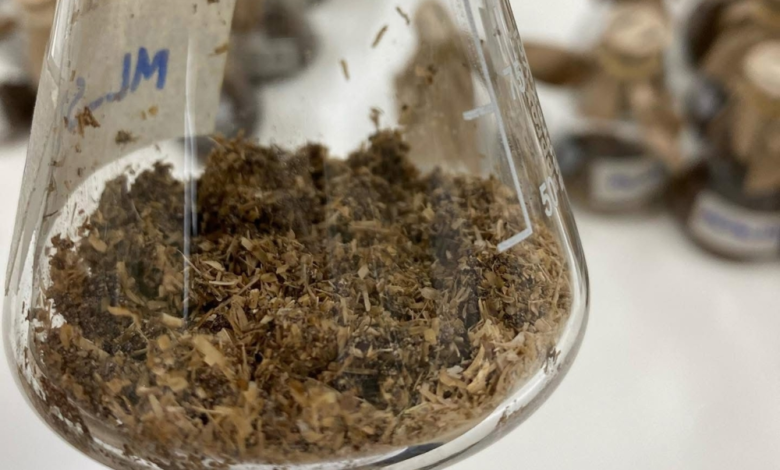
نشرت مجلة “Nature Communications” العلمية المرموقة تفاصيل الدراسة التي أجرتها كاوست بالتعاون مع مؤسسات بحثية دولية. ركز البحث على غابات المانغروف، التي تُعد من أغنى النظم البيئية وأكثرها ديناميكية. تتميز هذه الغابات بقدرتها على التكيف مع الظروف القاسية، مثل تقلبات الملوحة ودرجات الحرارة، مما يجعل الكائنات الدقيقة التي تعيش في تربتها مرشحة مثالية لاحتواء حلول بيولوجية فريدة.
اعتمد الفريق البحثي بقيادة الدكتور دييغو خافيير خيمينيز أفيلا، على تقنيات متقدمة مثل علم الميتاجينوميات (Metagenomics)، الذي يتيح دراسة المادة الوراثية مباشرة من العينات البيئية، بالإضافة إلى توظيف الذكاء الاصطناعي لتحليل البيانات الضخمة. وقد أثمرت هذه الجهود عن تحديد فئة جديدة وغير معروفة سابقًا من الإنزيمات التي أظهرت قدرة استثنائية على تفكيك مركبات البولي إيثيلين تيريفثاليت (PET).
الأهمية والتأثير المتوقع للاكتشاف
تكمن الأهمية الكبرى لهذا الاكتشاف في أن هذه الإنزيمات تعمل بكفاءة عالية في ظروف الملوحة الشديدة، وهي مشكلة كانت تحد من فعالية الإنزيمات المكتشفة سابقًا. هذا يعني إمكانية استخدامها في تطبيقات صناعية واسعة النطاق، وربما في معالجة التلوث البلاستيكي مباشرة في البيئات البحرية والساحلية.
- على المستوى المحلي: يتماشى هذا الإنجاز مع أهداف رؤية السعودية 2030 ومبادرة السعودية الخضراء، التي تهدف إلى حماية البيئة وتحقيق الاستدامة. كما يعزز مكانة المملكة كمركز رائد للابتكار والبحث العلمي في المنطقة.
- على المستوى الإقليمي والدولي: يقدم هذا البحث أملًا جديدًا في المعركة العالمية ضد التلوث البلاستيكي. يمكن أن تؤدي هذه الإنزيمات إلى تطوير عمليات “إعادة تدوير بيولوجي” أكثر استدامة وكفاءة، مما يقلل من الاعتماد على الوقود الأحفوري لإنتاج بلاستيك جديد ويساهم في تحقيق اقتصاد دائري حقيقي.
وأكد الباحثون أن هذه النتائج تمثل خطوة أولى مهمة، وأن العمل مستمر لدراسة هذه الإنزيمات بشكل أعمق وتحسين أدائها تمهيدًا لتطبيقها على نطاق واسع. ويفتح هذا الاكتشاف الباب أمام استكشاف النظم البيئية المتطرفة الأخرى في المملكة وحول العالم كمصادر محتملة لحلول مبتكرة لمواجهة التحديات البيئية الأكثر إلحاحًا.