
Details of the phone call between the Saudi Crown Prince and his Kuwaiti counterpart
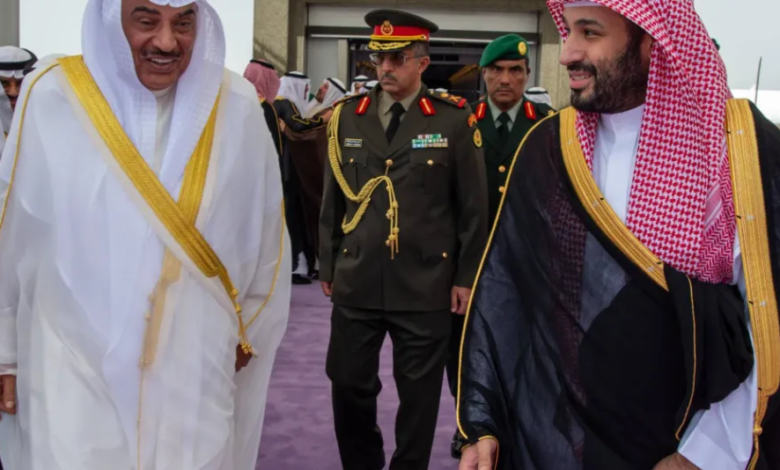
Within the framework of ongoing coordination and consultation between the Kingdom of Saudi Arabia and the State of Kuwait, His Royal Highness Prince Mohammed bin Salman bin Abdulaziz Al Saud, Crown Prince and Prime Minister, held a telephone conversation with his brother, His Highness Sheikh Sabah Khaled Al-Hamad Al-Sabah, Crown Prince of the State of Kuwait. Discussions during this call focused on reviewing the latest developments in the region, as well as discussing the progress of the ceasefire agreement, in light of the delicate circumstances and rapid transformations taking place in the Middle East.
General context and historical background of Saudi-Kuwaiti relations
Relations between Riyadh and Kuwait are based on deep historical roots and strong fraternal ties, as the two countries share a common history and destiny. Over the decades, the unified positions of the two nations have formed a cornerstone for supporting the stability of the Gulf Cooperation Council and the wider Arab world. This telephone call is an extension of the wise approach of the two leaderships in exchanging views and coordinating positions on regional and international issues, reflecting the depth of the strategic partnership aimed at protecting the supreme interests of the two countries and their brotherly peoples, and ensuring the security and stability of the region.
The importance of discussing the ceasefire agreement and regional developments
Discussing a ceasefire agreement at this time is of paramount importance, especially given the escalating geopolitical tensions in the Middle East, particularly the ongoing developments in the Gaza Strip and Lebanon. Saudi Arabia, as a leader in Arab and Islamic affairs, is striving to mobilize all regional and international efforts to halt the military escalation and protect innocent civilians. This was clearly demonstrated at the recent Arab and Islamic summits hosted by Riyadh, which called for adherence to international law and UN resolutions. Kuwait's support for these efforts underscores the unity of the Gulf Cooperation Council in confronting the security and political challenges facing the region.
Expected impact of Saudi-Kuwaiti consultations
At the local and regional levels
This high-level coordination contributes to strengthening Gulf national security and sends a reassuring message to the region's people that Gulf leaders are working diligently and wisely to contain crises. It also enhances the chances of success for diplomatic initiatives aimed at consolidating ceasefire agreements and ensuring the delivery of humanitarian aid and relief to those affected in conflict zones, thereby mitigating negative repercussions on regional stability and preventing the escalation of conflict.
On the international level
Internationally, the Saudi-Kuwaiti consensus represents a significant diplomatic force on the global stage. Both countries wield considerable political and economic influence, and their stability and joint coordination positively impact the stability of global energy markets and the international economy. The unified vision regarding the necessity of implementing the ceasefire agreement sends a clear message to the international community and the Security Council about their legal and moral responsibilities in maintaining international peace and security and preventing the region from sliding into wider conflicts that could threaten global peace and security.