International Maritime Organization: Closing international straits is a violation of international law

The Secretary-General of the International Maritime Organization (IMO), Arsenio Domínguez, categorically affirmed that there is no legal basis for states to close straits used for international navigation or impose discriminatory transit fees. This affirmation came during a high-level meeting of the UN Security Council, where he emphasized that the principle of freedom of navigation is a cornerstone of international maritime law and is non-negotiable.
International legal framework: Law of the Sea Convention
This firmly established position is based on United Nations Convention on the Law of the Sea (UNCLOS) , considered the “Constitution of the Ocean,” as well as on established norms of international law. The Convention clearly stipulates the “right of innocent passage” for ships and aircraft through international straits. This right guarantees rapid, continuous, and unimpeded passage, which coastal states cannot suspend or obstruct. The purpose of this principle is to ensure the stability of global trade and maritime transport, upon which the global economy heavily relies, given that over 80% of global trade is transported by sea.
The Strait of Hormuz as a model of strategic importance
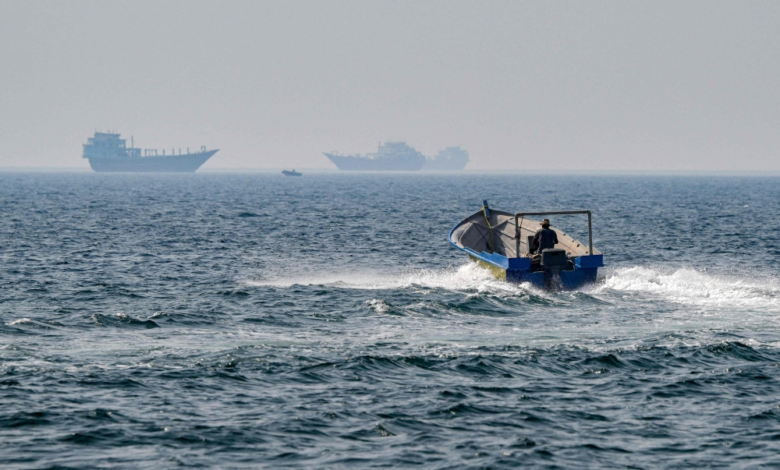
These statements take on particular significance when considering strategic straits like the Strait of Hormuz, which separates the Persian Gulf from the Gulf of Oman. This strait is the world's most important oil transit chokepoint, with nearly one-fifth of the world's daily oil consumption passing through it. Given its vital importance, any threat of closure raises serious international concerns due to the potentially catastrophic consequences for global energy markets and supply chains. Dominguez noted that the International Maritime Organization (IMO) established a traffic separation system in the Strait of Hormuz in 1968, jointly managed by Oman and Iran, which has contributed to ensuring safe navigation for decades.
Potential impacts on global security and the economy
The Secretary-General warned that any departure from these well-established principles would set a dangerous precedent and severely undermine the safety and stability of maritime shipping worldwide. Closing an international strait or imposing illegal tariffs would not only violate international law but could also lead to enormous economic disruptions, including higher oil and commodity prices, increased insurance costs for ships, and disruption of international trade. From a security perspective, such actions could be perceived as hostile acts, potentially prompting an international response to keep waterways open and secure.
It is worth noting that this important meeting of the Security Council came at the invitation of the Kingdom of Bahrain, which holds the rotating presidency of the Council, to discuss “the safety and protection of waterways in the maritime domain,” reflecting the priority that the international community gives to ensuring freedom of navigation as a fundamental element of international peace and security.