
Sharp decline in global gold prices
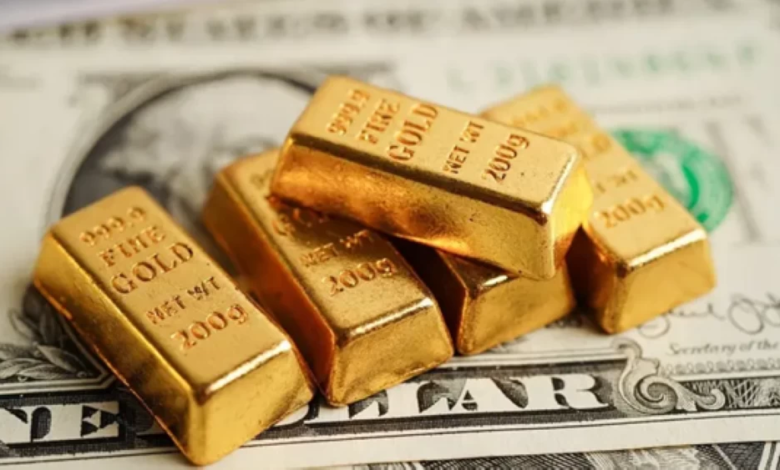
Global financial markets were shaken by a sharp decline in gold prices, which fell by more than 3% during trading today. This significant drop represents a continuation of a series of consecutive losses, pushing prices to their lowest level in nearly four months. According to available data, spot gold fell by 3.3% to $4,340.09 per ounce, marking its ninth consecutive session of losses, reflecting a state of anxiety and shifting sentiment among investors.
The decline wasn't limited to spot transactions; it extended even more sharply to futures contracts. US gold futures for April delivery fell by 5%, settling at $4,347. Notably, the precious metal, which fell today, reached its lowest level since January 2nd, registering a total decline exceeding 10% compared to last week's levels. This rapid drop raises numerous questions about the future of gold as a safe haven in light of current economic changes.
The impact of Federal Reserve policies on gold
The overall context of this decline is closely linked to global monetary policies, specifically those of the Federal Reserve (the US central bank). While gold prices have plummeted, market expectations have risen significantly regarding the likelihood of the Fed raising interest rates this year. Interest rate futures indicate a probability of a rate hike by next December of approximately 27%. Historically, gold has been a traditional hedge against inflation and crises, but unlike interest rates, it does not offer a fixed return. This makes it highly sensitive to rising interest rates, which increase the opportunity cost of holding the precious metal and drive investors toward other assets with higher returns.
Economic repercussions and their impact on markets
In terms of its anticipated impact, this decline carries far-reaching implications at both the international and local levels. Internationally, interest rate hikes are often accompanied by a strengthening US dollar, making gold more expensive for holders of other currencies and affecting the valuation of central bank reserves. Regionally and locally, the drop in gold prices may stimulate consumer demand for gold jewelry in Arab and emerging markets, as consumers anticipate such declines to make purchases. However, it also presents a challenge for investors who have bet on its continued rise as a safe haven.
Losses affecting silver, platinum, and palladium
In a related development, other precious metals were not immune to this market sell-off. Silver fell 3.3% in spot trading to $65.55 per ounce. Platinum also declined, dropping 4.4% to $1,838.45. Palladium, on the other hand, saw a relatively slight decrease of 0.4%, settling at $1,398.50. These widespread declines reflect a risk aversion and a strategic adjustment in investor portfolios in anticipation of the next phase of monetary policy.