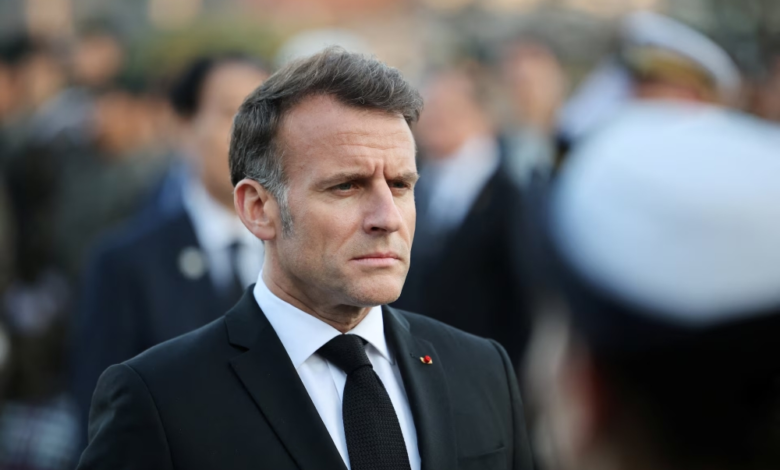

في تصريحات حاسمة تعكس الموقف الأوروبي الداعي للتهدئة، أكد الرئيس الفرنسي إيمانويل ماكرون أن الحرب والعمليات العسكرية التي قد تشنها الولايات المتحدة الأمريكية وإسرائيل ضد طهران، لن تحل قضية الملف النووي الإيراني. وشدد ماكرون، خلال حديثه للصحفيين على هامش زيارة رسمية أجراها إلى العاصمة الكورية الجنوبية سيول، على أنه لا بديل عن الجلوس إلى طاولة الحوار، داعياً المجتمع الدولي إلى الانخراط في “مفاوضات معمقة” تضمن استقرار المنطقة. وأوضح أن أي ضربة عسكرية محددة الأهداف، حتى وإن استمرت لأسابيع قليلة، لن تقدم حلاً جذرياً ودائماً للأزمة النووية.
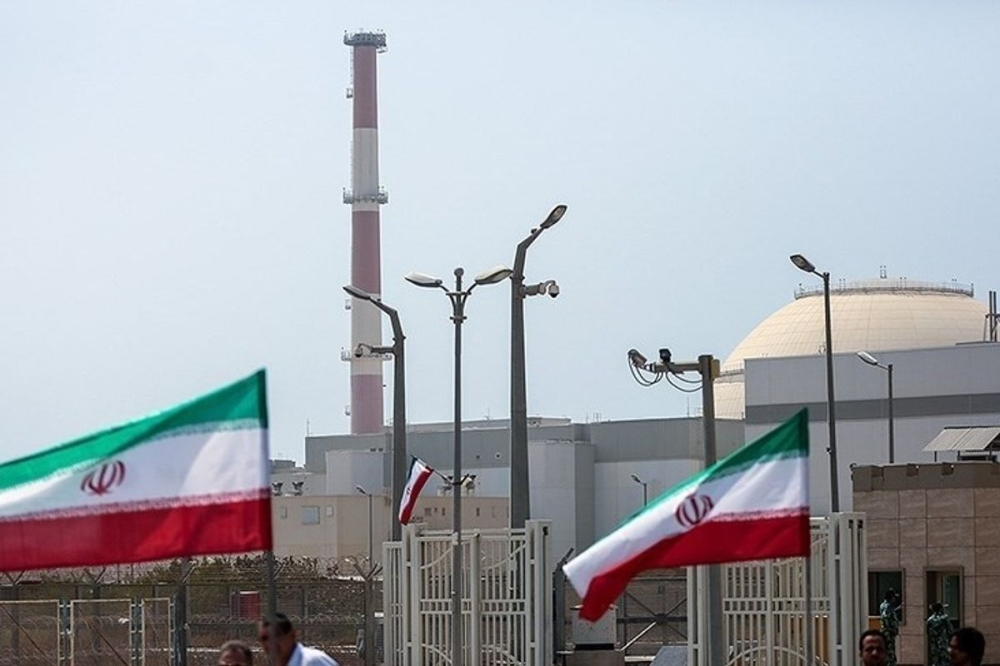
ولفهم أبعاد هذا الموقف، يجب العودة إلى السياق التاريخي للأزمة؛ فمنذ انسحاب الولايات المتحدة أحادي الجانب في عام 2018 من الاتفاق النووي (خطة العمل الشاملة المشتركة) المبرم عام 2015، تصاعدت التوترات بشكل غير مسبوق. وقد أدى هذا الانسحاب وإعادة فرض العقوبات الاقتصادية إلى تراجع طهران تدريجياً عن التزاماتها النووية، مما وضع المجتمع الدولي أمام تحديات أمنية كبرى. وترى فرنسا، بصفتها إحدى الدول الموقعة على الاتفاق، أن غياب الإطار الدبلوماسي والفني سيؤدي حتماً إلى تدهور الوضع مجدداً في غضون أشهر أو سنوات، مؤكدة أن الاتفاق الشامل هو الضمانة الوحيدة لمتابعة طويلة الأمد تحفظ السلام والاستقرار للجميع.
مخاطر العمليات العسكرية في مضيق هرمز
تطرق الرئيس الفرنسي في حديثه إلى قضية بالغة الحساسية تتعلق بأمن الملاحة البحرية، حيث وصف أي عملية عسكرية تهدف إلى “تحرير” مضيق هرمز بأنها خطوة “غير واقعية”. ويحظى مضيق هرمز بأهمية استراتيجية واقتصادية قصوى، إذ يمر عبره نحو خُمس إنتاج النفط العالمي، مما يجعل أي نزاع فيه بمثابة صدمة قوية للاقتصاد العالمي. وأشار ماكرون إلى أن بعض الأصوات، وتحديداً في الولايات المتحدة، تدعو إلى استخدام القوة في المضيق، محذراً من أن هذا التوجه سيتطلب وقتاً طويلاً وسيعرض حركة الملاحة لتهديدات مباشرة من قبل الحرس الثوري الإيراني. وتجدر الإشارة إلى أن طهران تمتلك ترسانة كبيرة من الصواريخ الباليستية والقدرات العسكرية غير المتماثلة التي تمكنها من إحداث أضرار جسيمة في حال اندلاع أي مواجهة إقليمية.
انتقادات حادة للسياسات الأمريكية وتأثيرها على الناتو
على صعيد التحالفات الدولية، وجه ماكرون انتقادات شديدة اللهجة للرئيس الأمريكي دونالد ترامب، متهماً إياه بإفراغ حلف شمال الأطلسي (الناتو) من مضمونه. وأوضح أن زرع الشكوك اليومية حول التزام واشنطن تجاه الحلفاء يضعف التحالف بشكل خطير. وقال ماكرون بوضوح: “إذا كنا نزرع الشك كل يوم في التزامنا، فإننا نفرغه من مضمونه”. واعتبر أن التصريحات المتقلبة للسلطات الأمريكية تخلق حالة من عدم اليقين العالمي وتضر بالثقة المتبادلة بين الحلفاء الغربيين.
وختم ماكرون تصريحاته بالتأكيد على أن العالم، وخاصة منطقة الشرق الأوسط، بحاجة ماسة إلى الاستقرار والهدوء والعودة إلى مسار السلام. وشدد على ضرورة التحلي بالجدية في التعامل مع الأزمات الدولية، مشيراً إلى أن المواقف الدبلوماسية يجب أن تتسم بالثبات والمصداقية، بدلاً من تغيير التصريحات والمواقف بين ليلة وضحاها. إن هذا الموقف الفرنسي يعكس رغبة أوروبية أوسع في تجنب الانجرار إلى حرب إقليمية مدمرة قد تمتد تداعياتها لتشمل أمن الطاقة العالمي، مما يؤكد أن الدبلوماسية تظل الخيار الأكثر أماناً وفعالية.