Securing the Strait of Hormuz: America begins escorting ships amid tensions with Iran

Tensions escalate in vital shipping lane
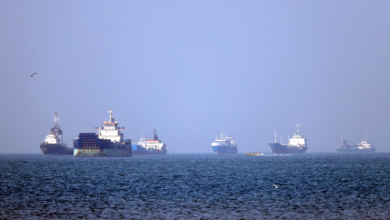
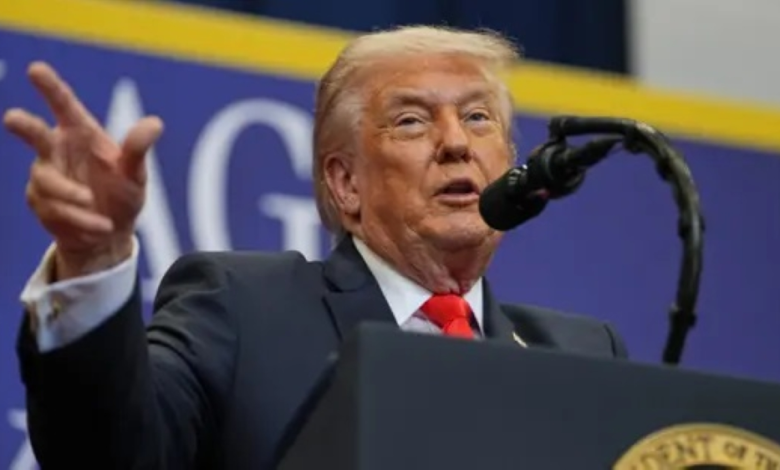
Former US President Donald Trump announced that the United States would begin escorting commercial ships transiting the Strait of Hormuz, a move aimed at ensuring freedom of navigation in one of the world's most important waterways. This announcement came amid escalating tensions between Washington and Tehran, which have raised serious concerns about the stability of global energy supplies.
Background to the crisis: From the nuclear agreement to the brink of confrontation
The roots of the tension lie in the Trump administration’s 2018 decision to withdraw from the 2015 nuclear agreement with Iran and reimpose crippling economic sanctions aimed at pressuring Tehran to change its regional behavior and curb its missile programs. In response, Iran has repeatedly threatened to close the Strait of Hormuz, through which nearly a fifth of the world’s oil supply passes. During this period, the region witnessed a series of dangerous incidents, including mysterious attacks on oil tankers in the Gulf of Oman and the downing of a U.S. drone by Iran’s Revolutionary Guard, bringing the two countries to the brink of direct military confrontation.
The importance of the Strait of Hormuz and its global impact
The Strait of Hormuz is a strategic artery for the global economy, with millions of barrels of oil and liquefied natural gas passing through it daily from major producers in the Arabian Gulf, such as Saudi Arabia, the UAE, Kuwait, Iraq, and Qatar, to markets in Asia, Europe, and North America. Any disruption to navigation in this narrow waterway not only leads to an immediate and sharp rise in oil prices but also threatens the stability of the entire global economy. Therefore, ensuring freedom of navigation in the Strait is a top priority for major international powers, foremost among them the United States, which has historically played a leading role in protecting maritime routes in the region.
The “Guardian” initiative and its regional and international repercussions
In this context, the American initiative, later known as Operation Sentinel, served as a deterrent to Iran and a reaffirmation of Washington's commitment to protecting its allies and interests in the region. The operation aimed to form an international coalition to monitor the waters and provide protection for commercial vessels. While some allied nations, such as Britain and Australia, joined the initiative, other European countries, like France and Germany, expressed reservations, fearing further escalation, and preferred to launch a separate European initiative. Regionally, the Gulf states welcomed the American move as a guarantee for the security of their oil exports, while Iran viewed it as a provocative step that would increase the militarization of the region and threaten its stability.