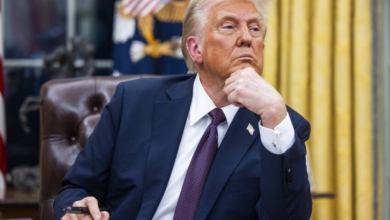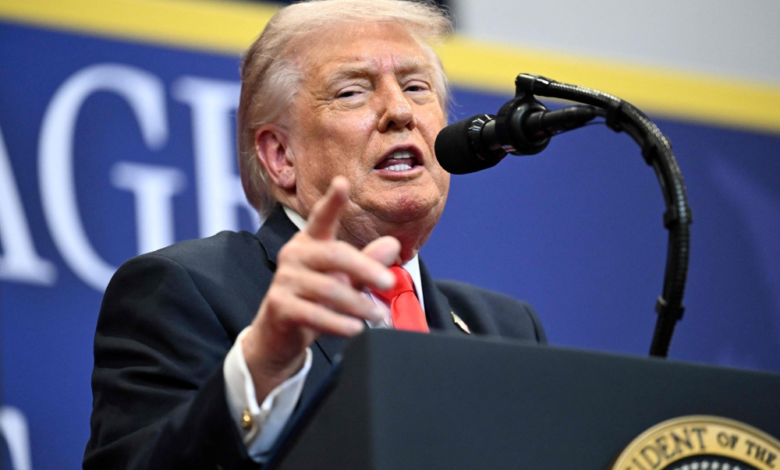

During his presidency, former US President Donald Trump expressed his dissatisfaction with a new negotiating proposal presented by Iran, a move that reflected the depth of the disagreement and stalemate that characterized relations between Washington and Tehran. Trump told reporters at the White House at the time that the Iranian offer did not meet his administration's expectations, stating that "what they are offering at this moment is not satisfactory.".
Trump's statements were not spontaneous, but rather the culmination of a long period of tension that began with his historic decision in May 2018 to unilaterally withdraw from the Iran nuclear deal, formally known as the Joint Comprehensive Plan of Action (JCPOA). This agreement, reached in 2015 between Iran and the P5+1 group of world powers, aimed to curb Iran's nuclear program in exchange for lifting economic sanctions. However, Trump deemed it "the worst deal ever," paving the way for a "maximum pressure" campaign that reimposed crippling economic sanctions on Tehran.
Historical context: From the nuclear agreement to the policy of maximum pressure
The Trump administration's stated goal in withdrawing from the nuclear agreement and reimposing sanctions was to force Iran back to the negotiating table to reach a new and more comprehensive agreement. Washington demanded that the new agreement address not only Iran's nuclear program, but also its ballistic missile program and its regional role, which the United States considers destabilizing in the Middle East. In response, the Iranian leadership refused to negotiate under pressure, maintaining that the United States' return to the original agreement was a prerequisite for any future dialogue.
The importance of the event and its expected impact
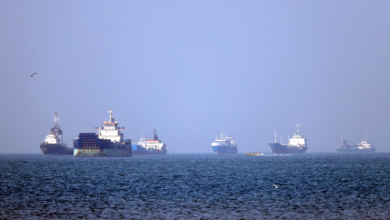
Trump’s rejection of Iranian proposals, often conveyed through international mediators such as France, Japan, or Oman, had broad strategic implications. Domestically, this stance resonated with Trump’s electoral base, which welcomed a hardline approach toward Iran. Regionally, this diplomatic impasse escalated tensions in the Gulf, with attacks on oil tankers and energy facilities bringing the region to the brink of military confrontation on several occasions. Internationally, the American position deepened the rift with European allies (Britain, France, and Germany) who were striving to preserve the nuclear agreement, viewing it as the best way to prevent Iran from acquiring a nuclear weapon.
Trump repeatedly stated that Iranian leaders were “divided” and unable to reach a unified strategy for ending the conflict, saying, “They are asking for things I cannot accept.” Despite his stated preference for a negotiated solution over a military one for “humanitarian” reasons, he emphasized that all options, including military action, “remain on the table.” This ambiguous stance has perpetuated uncertainty and cast a shadow over the stability of global energy markets and the security of navigation in vital waterways.