
الموانئ السعودية: ركيزة أساسية في قلب التجارة العالمية
في ظل التحولات الاقتصادية المتسارعة والأزمات الجيوسياسية التي تعصف بالعالم، تبرز الموانئ السعودية كخيار إستراتيجي وبديل آمن وموثوق لضمان استمرارية سلاسل الإمداد العالمية. وقد أكد خبيران متخصصان لصحيفة «عكاظ» أن الارتفاع الملحوظ في رسوم الشحن العالمية، والذي وصلت نسبته إلى 25%، جاء كنتيجة حتمية ومباشرة لارتفاع أسعار الطاقة عالمياً وتصاعد وتيرة التوترات الجيوسياسية، لا سيما الصراعات الدائرة في منطقة الشرق الأوسط والممرات المائية الحيوية.
السياق الإستراتيجي وتأثير التوترات الإقليمية
تاريخياً، لطالما لعبت منطقة الخليج العربي والبحر الأحمر دوراً حاسماً في حركة التجارة الدولية. ومع التوترات الأخيرة بالقرب من مضيق هرمز ومسارات الملاحة الرئيسية، فرضت شركات الشحن الكبرى ما يُعرف بـ«رسوم طوارئ حرب». وأوضح الخبير في الخدمات اللوجستية، عزام الحربي، أن هذه الزيادات شملت كافة أنماط النقل البحري، البري، والجوي، مما ألقى بظلاله على سلاسل الإمداد. ومع ذلك، أثبتت المملكة العربية السعودية قدرة فائقة على التعامل مع هذه المتغيرات بمرونة عالية، محولة التحديات إلى فرص ذهبية لتعزيز موقعها كمركز لوجستي عالمي يربط بين قارات آسيا وأوروبا وأفريقيا.
البنية التحتية المتقدمة: موانئ ومطارات بمقاييس عالمية
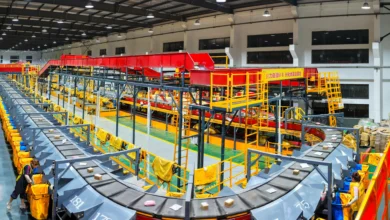
تمتلك السعودية بنية تحتية متطورة وخطط طوارئ مرنة تضمن استمرار تدفق السلع. على الصعيد البحري، يتصدر ميناء جدة الإسلامي المشهد بطاقة استيعابية ضخمة تتجاوز 3 ملايين حاوية قياسية، ليكون الشريان الأهم للتجارة على ساحل البحر الأحمر. وإلى جانبه، يبرز ميناء جازان كمحور إستراتيجي لنقل مشتقات الطاقة والبتروكيماويات.
ولا يقتصر الأمر على الموانئ البحرية، بل يمتد التكامل لقطاع النقل الجوي. حيث تلعب المنافذ الجوية السعودية، وعلى رأسها مطار الملك خالد الدولي في الرياض ومطار الملك عبدالعزيز الدولي في جدة، دوراً محورياً في دعم خطط الطوارئ. يتم ذلك من خلال تعزيز عمليات نقل العبور (الترانزيت) والربط الفعال بين النقل الجوي والبحري، مما يخدم دول مجلس التعاون الخليجي ويضمن عدم انقطاع الإمدادات الحيوية.
رؤية 2030: تحصين الاقتصاد السعودي ضد الأزمات
من جانبه، أكد المستشار المالي الدكتور حاتم حسنين أن الموقع الجغرافي الفريد للمملكة يمنحها ميزة تنافسية استثنائية. وأشار إلى أن الاقتصاد السعودي يواصل إثبات متانته وقدرته على الصمود أمام العواصف الإقليمية والدولية. هذا الصمود ليس وليد الصدفة، بل هو ثمرة رؤية إستراتيجية طويلة المدى متمثلة في رؤية السعودية 2030، التي أسهمت بشكل مباشر في تنويع مصادر الدخل وتقليل الاعتماد على النفط، مما عزز نمو القطاعات غير النفطية ومنها قطاع الخدمات اللوجستية.
وأضاف الدكتور حسنين أن الزيادات في تكاليف الشحن، رغم وجودها، لم تشكل تهديداً حقيقياً للنشاط الاقتصادي الداخلي. فالقطاعات الحيوية مثل التجارة، الصناعة، والخدمات اللوجستية مستمرة في أداء أعمالها بكفاءة. كما يلعب القطاع المصرفي السعودي دوراً داعماً للاستقرار الاقتصادي عبر توفير التمويل اللازم. ولا يمكن إغفال الدور المحوري لصندوق الاستثمارات العامة، الذي يُعد المحرك الإستراتيجي الأول للنمو من خلال استثماراته النوعية في مشاريع البنية التحتية الكبرى، مما يخلق فرصاً اقتصادية جديدة ويرسخ مكانة السعودية كقوة اقتصادية ولوجستية لا يستهان بها على الساحة الدولية.