Food and Drug Administration (FDA) regulations and guidelines for releasing medications during Hajj

Introduction: A historic commitment to the safety of pilgrims
As part of its ongoing efforts to ensure the highest standards of healthcare, the Saudi Food and Drug Authority (SFDA) has emphasized the implementation of a set of strict controls and procedures governing the release of medicines, pharmaceutical products, and medical devices during the Hajj season. This step is an extension of the Kingdom's long and distinguished history in managing millions of pilgrims, with the wise leadership placing the health and safety of pilgrims at the forefront of its priorities. Managing the healthcare of millions of visitors from around the world requires meticulous and proactive planning to prevent any health crises or shortages of medical and food supplies.
The importance of the measures and their local and international impact
These regulatory measures are of paramount importance on several levels. Locally, they contribute to protecting the Kingdom's health security by preventing the entry of counterfeit or substandard medications, thus alleviating the burden on the national healthcare system and local hospitals. Regionally and internationally, these controls reflect a globally recognized model in the field of "mass gathering medicine," ensuring the safe return of pilgrims to their home countries and preventing the spread of any epidemics or health problems related to the improper storage or use of medications.
The mechanism for submitting permit applications via the “Nusk” platform
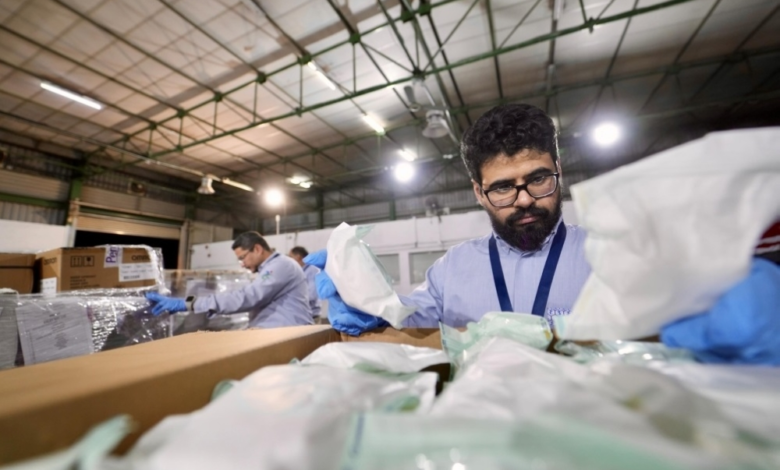
Regarding Hajj missions and offices, the authority clarified that medicines and medical supplies brought in through these missions are subject to rigorous monitoring starting with the electronic track. Clearance applications and all required documents must be submitted via the "Nusk" platform at least 15 days before the shipments arrive. Furthermore, entry points have been designated exclusively at King Abdulaziz International Airport in Jeddah and Prince Mohammad Bin Abdulaziz International Airport in Madinah, during the period from 15 Shawwal to 30 Dhu al-Qi'dah, a measure aimed at regulating the flow of supplies and ensuring their complete readiness before the start of the Hajj rituals.
Medical supervision and handling of remaining medications
The regulations emphasized the importance of direct medical supervision, mandating the presence of a licensed medical team within the mission, along with contracting with a licensed service provider within the Kingdom to oversee storage and dispensing operations according to approved standards. The authority also stressed the necessity of re-exporting any remaining quantities of medications after the season's end, prohibiting their storage within accommodations or distribution in any form after the missions' departure, to ensure that no unregulated medications enter the local market.
Regulations for medications intended for personal use
Regarding medications for personal use by pilgrims, regulations permit their entry within certain limits, ensuring that the quantities do not exceed a 30-day supply or the duration of the pilgrim's stay, whichever is shorter. The authority clarified that prescription or controlled medications require a detailed medical report or a valid prescription, issued no more than six months prior, to ensure safe and regulated use. Furthermore, medications outside their original packaging or those that have expired are prohibited, as are products of unknown composition or those making misleading medical claims, such as unapproved weight loss or skin-whitening products.
List of medical and dietary prohibitions and restrictions
Regarding prohibited items, the authority clarified that the list of banned substances includes specific categories of medicines and foodstuffs, most notably devices and supplies containing radioactive materials, in addition to medicines listed on local and international prohibited lists. The supply of narcotic drugs or psychotropic substances through missions is also prohibited, with a limited exception for pilgrims for personal use, provided that prior approval is obtained through the Controlled Substances Program (CDS). Similarly, the import of foodstuffs for sustenance is restricted to approved contractors within the Kingdom, with a ban on the entry of any food products containing pork derivatives or alcohol, or those that are expired or of unknown origin.