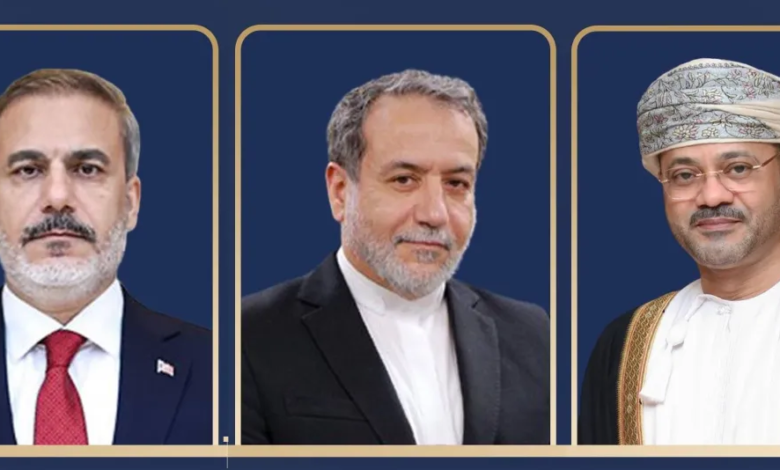

In a significant diplomatic move reflecting the Sultanate of Oman's pivotal role in promoting regional stability, Omani Foreign Minister Badr bin Hamad Al Busaidi held separate talks with his Iranian counterpart, Hossein Amir-Abdollahian, and his Turkish counterpart, Hakan Fidan. These discussions focused on the need to ensure freedom of navigation in the Gulf region, a vital artery for global trade and energy supplies.
Historical background and regional context
These talks are taking place against a complex regional and international backdrop. The Gulf region, and specifically the Strait of Hormuz, has been a geopolitical flashpoint for decades. Nearly a fifth of the world's oil supply passes through this strait, making it of paramount strategic importance. Historically, the Sultanate of Oman has played the role of an impartial and trusted mediator between various regional and international powers, leveraging its foreign policy based on positive neutrality and dialogue. Muscat has successfully facilitated both covert and overt channels of communication between Iran and the United States in the past, contributing to the de-escalation of numerous crises.
The importance of the talks and their expected impact
These talks are significant because they bring together key players influential in the region's security. Iran, by virtue of its geographical location on the northern coast of the Strait, is an indispensable player in any maritime security arrangements. Turkey, on the other hand, represents a rising regional power with growing economic and strategic interests in the Gulf region. Ankara's participation in these dialogues adds a new dimension to regional dynamics and reflects a comprehensive approach to addressing shared security concerns.
Regionally, these diplomatic efforts aim to build trust, de-escalate tensions, and prevent any incidents that could disrupt maritime traffic and negatively impact the economies of countries in the region that rely heavily on oil and gas exports. Internationally, the stability of navigation in the Gulf is a global priority. Any disruption to this waterway would inevitably lead to an immediate surge in global energy prices, potentially plunging the global economy into a stagflationary spiral. Therefore, these Omani-led talks not only serve regional interests but also contribute directly to maintaining global energy security and international economic stability.