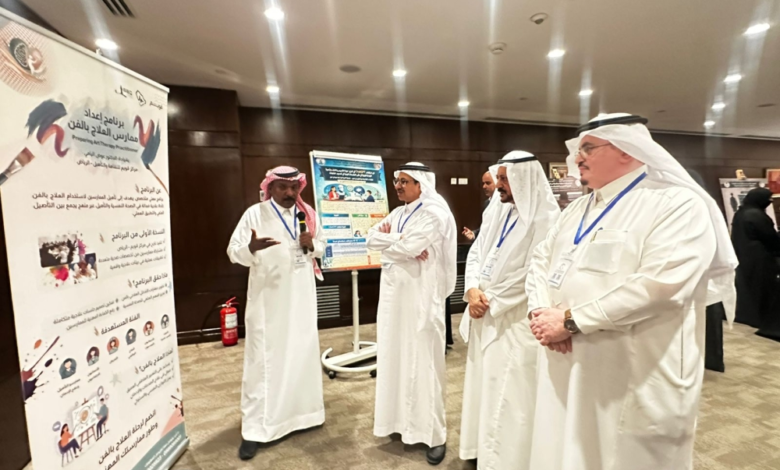
To serve people with disabilities, specialists are integrating art with architecture in Medina

The strategic recommendations issued by the Third International Conference on Arts and Designs revealed the need to establish strict ethical frameworks for the use of modern technologies, in order to ensure the preservation of national identity and sustainability handicrafts.
Effective partnerships
At the conclusion of their discussions, participants emphasized the importance of building effective partnerships, both locally and internationally, to support the foundations of the creative economy and integrate human considerations into the core of designed environments.
The scientific sessions showcased high-quality research, most notably the application of artificial intelligence to develop advanced medical solutions aimed at supporting patients with heart conditions.
Art therapy
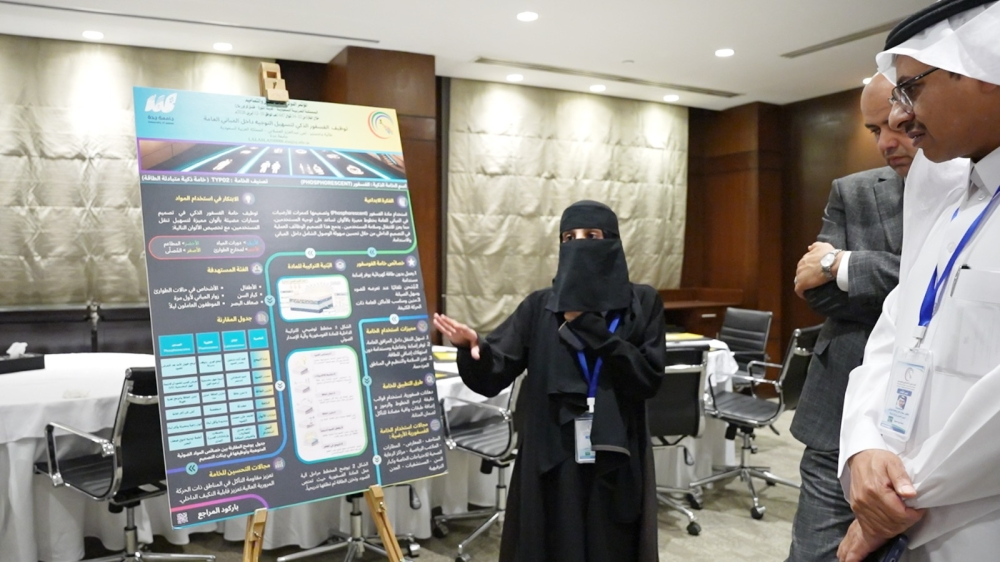
Professor Dr. Noha Naqiti discussed ways to utilize "smart materials" to serve people with disabilities, while Dr. Abshan Mohammed Al Abshan presented research measuring the effectiveness of training programs for practitioners of art therapy.
On the innovation front, unprecedented designs emerged, with Dr. Fatima Al Shehri unveiling innovative clothing specifically designed to support children with diabetes, alleviating their suffering and facilitating their daily lives.
A unique project
Dr. Jamila Al-Shehri unveiled a unique project for a "transformable women's abaya," designed to serve equestrian sports, while Dr. Hanan Abdullah Al-Qahtani presented her development of swimwear using digital printing technology.
Discussions highlighted the impact of interactive technology on Islamic architecture through a paper by Dr. Jamila Al-Bishi, while Dr. Fatima Mohammed Issa Mahnashi shed light on the digital museum experience.
Other research emphasized the importance of visual identity, showcasing the aesthetics of "Mirrors of Al-Ula" and traditional costumes from Mecca and Medina, and their application in the design of international theaters and exhibitions.
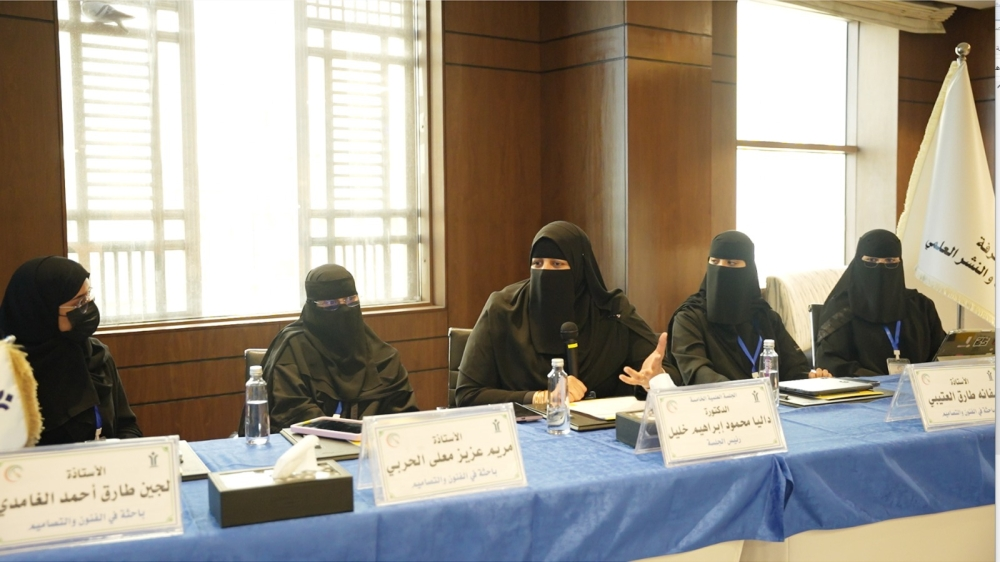
The conference chair, Dr. Abdulrahman Al-Zahrani, opened the first day by highlighting the culture of academic gatherings, stressing the crucial role of "serious research publications" in enriching knowledge and developing the arts sector.