
خطوة استراتيجية نحو السياحة البيئية المستدامة
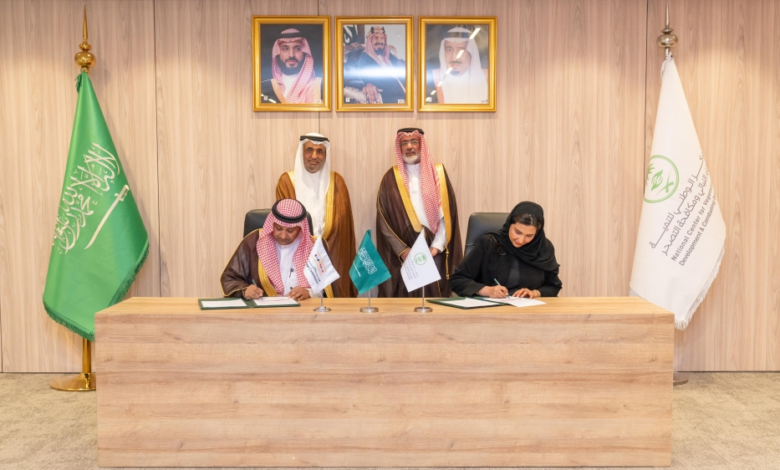
في خطوة رائدة تعكس التزام المملكة العربية السعودية بتطوير قطاع السياحة وحماية مقدراتها الطبيعية والتاريخية، وقّع المركز الوطني لتنمية الغطاء النباتي ومكافحة التصحر وهيئة التراث مذكرة تعاون استراتيجية. تهدف هذه الاتفاقية إلى ربط الأصول التراثية بالمتنزهات الوطنية، وتحويلها إلى وجهات ثقافية وبيئية مستدامة. يسهم هذا المشروع الضخم في تعزيز السياحة البيئية الثقافية، ودعم التنمية الاقتصادية الشاملة، إلى جانب توفير حماية صارمة لمواقع الآثار والتراث بمختلف مكوناته المادية وغير المادية المنتشرة في مناطق المملكة.
السياق العام والخلفية التاريخية للحدث
تأتي هذه المبادرة في وقت تشهد فيه المملكة تحولاً جذرياً ضمن مستهدفات رؤية السعودية 2030، التي تضع قطاع السياحة والاستدامة البيئية في صدارة أولوياتها. تاريخياً، زخرت شبه الجزيرة العربية بمواقع طبيعية خلابة احتضنت حضارات إنسانية متعاقبة، إلا أن استثمار هذه المواقع سياحياً كان محدوداً في العقود الماضية. ومع إطلاق مبادرات وطنية كبرى مثل مبادرة السعودية الخضراء، برزت الحاجة الملحة لدمج الخطط البيئية مع جهود الحفاظ على التراث. هذا التكامل يضمن عدم المساس بالغطاء النباتي أثناء تطوير البنية التحتية السياحية، بل ويعمل على إبراز العمق التاريخي للمملكة بطريقة عصرية ومستدامة.
تفاصيل مذكرة التعاون وتطوير الخدمات
جرت مراسم توقيع المذكرة بحضور الرئيس التنفيذي المكلّف للمركز الوطني لتنمية الغطاء النباتي ومكافحة التصحر، المهندس أحمد بن صالح العيادة، والرئيس التنفيذي لهيئة التراث، الدكتور جاسر سليمان الحربش. وشملت المرحلة الأولى من العمل التركيز على تطوير 27 موقعاً في المتنزهات الوطنية، مع إعادة تأهيلها بالكامل. يرتكز النموذج الجديد على تقديم تجربة متكاملة للزوار تشمل توثيق وحماية الأصول التراثية، حصر وتسجيل المواقع الأثرية، وربطها بالسجل الوطني والترشيحات العالمية. كما تركز الاتفاقية على تمكين المجتمعات المحلية، دعم الحرفيين، وتصميم قصص ثقافية ترفع من جاذبية هذه المواقع للزوار.
خريطة المواقع المستهدفة وأهميتها التاريخية
تتوزع المواقع المستهدفة بعناية لتشمل تنوعاً جغرافياً وتاريخياً فريداً. في منطقة الرياض، تم تحديد خمسة مواقع تشمل: متنزه وثيلان، الغاط، سدير، جبلة، وحراضة الشمالي. وفي المدينة المنورة، شملت الخطة متنزهات البيضاء، العفرة، جبل رضوى، قاع هرمة، والسهوة. أما المنطقة الشرقية، فتضمنت متنزهي بحيرة العيون والأحساء الوطنيين، بالإضافة إلى 15 موقعاً تراثياً في منطقة عسير.
تكتسب هذه المتنزهات أهميتها من احتضانها لشواهد تاريخية عظيمة، مثل مسجد جواثا التاريخي في الأحساء الذي يعود للعام السابع الهجري ويُعد من أقدم المساجد في الإسلام، ومدافن بقيق في المنطقة الشرقية. كما تضم سد معاوية في متنزه سيسد بالطائف، وسد ذي خشب في المدينة المنورة، ونقوش شعب النغرة، ونقوش متنزه شيبانة في بلقرن، وموقع الجدعاء في جبلة، مما يجعلها متاحف مفتوحة تدمج بين سحر الطبيعة وعبق التاريخ.
الأهمية والتأثير المتوقع محلياً وإقليمياً ودولياً
على الصعيد المحلي: سيؤدي هذا التحول إلى خلق فرص عمل جديدة لأبناء المجتمعات المحلية، وتنشيط الدورة الاقتصادية في المناطق الطرفية، بالإضافة إلى تعزيز الوعي الوطني بأهمية الحفاظ على البيئة والتراث.
على الصعيد الإقليمي: يرسخ هذا المشروع مكانة المملكة كوجهة رائدة للسياحة البيئية والثقافية في منطقة الشرق الأوسط، مقدماً نموذجاً يحتذى به للدول المجاورة في كيفية استثمار الموارد الطبيعية دون استنزافها.
على الصعيد الدولي: يتناغم المشروع مع أهداف التنمية المستدامة للأمم المتحدة، وسيساهم في جذب السياح الدوليين الباحثين عن تجارب سفر أصيلة ومسؤولة بيئياً، كما يمهد الطريق لإدراج المزيد من المواقع السعودية ضمن قائمة التراث العالمي، مما يعزز القوة الناعمة للمملكة عالمياً.