
A significant decline in global gold prices
saw Gold prices a notable decline at the start of the week on Monday, falling below $4,700 an ounce. This drop was directly influenced by the strengthening of the US dollar against a basket of major currencies, making the precious metal more expensive for buyers using other currencies. Simultaneously, investor hopes for a near-term interest rate cut by the Federal Reserve (the US central bank) have diminished.
Precious metals price details
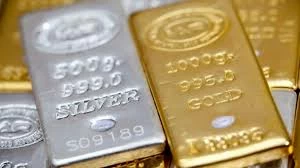
According to market data, spot gold fell 0.9% to $4,631.69 per ounce by 3:06 GMT. Meanwhile, U.S. gold futures for April delivery declined 0.5% to $4,657.50. Trading took place amid thin liquidity, as many major financial markets in Asia and Europe were closed for public holidays.
The decline wasn't limited to gold; other precious metals also saw their prices fall. Silver dropped 1.4% in spot trading to $71.98 an ounce. Platinum declined 0.9% to $1,970.38, while palladium remained virtually unchanged at $1,503.52.
General context and economic and geopolitical reasons
This decline in gold prices to several intertwined economic and geopolitical factors. Among the most prominent of these is the release of stronger-than-expected US jobs data, reflecting the strength of the US economy and giving the Federal Reserve more room to keep interest rates high for a longer period to control inflation. In addition, geopolitical tensions play a pivotal role; the prolonged conflict with Iran has led to a significant rise in global oil prices, fueling fears of a new wave of inflation that could force central banks to tighten their monetary policies.
Historical background of the relationship between gold, interest, and the dollar
Historically, gold has been considered a safe haven for investors during times of crisis and economic turmoil. However, the inverse relationship between the precious metal and interest rates plays a crucial role in determining its trajectory. When interest rates rise, the opportunity cost of holding gold, which does not offer a fixed return, increases, prompting investors to direct their funds toward government bonds and dollar-denominated assets that offer higher and more secure returns. This historical pattern clearly explains the selling pressure gold currently faces whenever data is released that supports the strength of the US economy.
Expected impact on local and international markets
Internationally, this decline is leading to a restructuring of investment portfolios by major investors and sovereign wealth funds, with positions in commodities and metals being reduced in favor of dollar-denominated assets. Regionally, Middle Eastern markets are experiencing a double whammy: oil-exporting countries benefit from higher energy prices, while financial markets are affected by geopolitical uncertainty. Locally, the global drop in gold prices is typically reflected in local jewelry markets, potentially stimulating consumer demand for gold jewelry and bullion from individuals who anticipate such price drops to seize competitive buying opportunities, despite the challenges associated with fluctuating local exchange rates in some countries.