
UN warns of the repercussions of geopolitical tensions
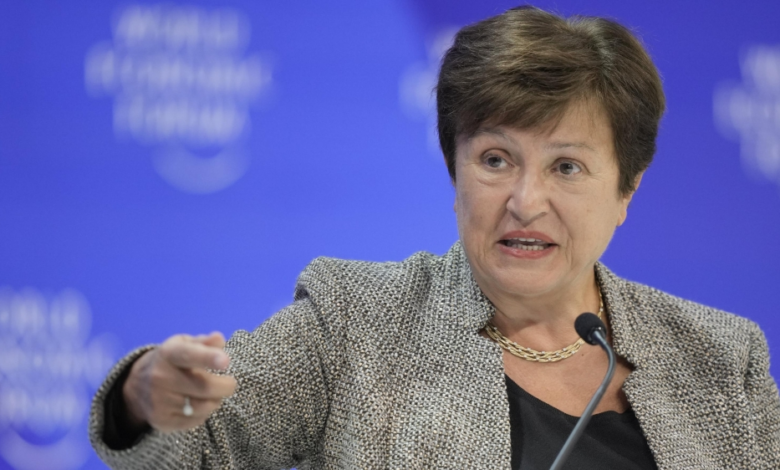
Kristalina Georgieva, Managing Director of the International Monetary Fund (IMF), issued a stark warning about the future of the global economy, asserting that the world is on the brink of a difficult economic period if oil prices continue to rise while conflict in the Middle East escalates. These remarks were made during a press conference held on the sidelines of the IMF and World Bank annual meetings in Washington, D.C., amidst a large gathering of delegations from around the world.
The historical context of the impact of energy crises
Historically, energy and fuel prices have been the primary driver of global inflation. As seen in the oil crises of the 1970s, and more recently following the outbreak of the Russian-Ukrainian crisis, sudden and sustained increases in energy costs disrupt supply chains and raise production and transportation costs. This context explains the deep concern of the International Monetary Fund, as the current shock comes at a time when the global economy is already clearly fragile and recovering slowly from the repercussions of successive crises. Georgieva explained that the repercussions will affect all countries without exception, even if the impact of the shock varies from one country to another depending on its dependence on imported energy resources.
The global debt crisis and avoiding large expenditures
In a related context, Georgieva warned governments against pursuing ill-conceived expansionary spending policies. According to the IMF’s recently released Fiscal Monitor report, global debt has reached record levels not seen since World War II, hitting 94% of global GDP last year. This alarming figure is projected to approach 100% by 2029 if governments do not take serious steps to consolidate their fiscal positions. The Managing Director criticized some countries for resorting to export controls or poorly designed tax cuts, noting that while these measures may be well-intentioned to protect citizens, they ultimately prolong the price crisis and exacerbate inflation.
Challenges facing central banks and interest rates
On the monetary front, central banks around the world face a real dilemma. Georgieva urged policymakers to exercise extreme caution and closely monitor market developments before making any major decisions regarding key interest rates. This call comes amid persistent inflationary pressures that are preventing major central banks from hastily cutting interest rates, thus increasing borrowing costs for both developing countries and businesses.
Regional and international impact and support programs
As for the regional and international impacts, the continuation of this crisis is placing immense pressure on developing countries and emerging markets. Georgieva revealed that the IMF, which already had some 40 active financing programs in place before the recent tensions, has recently received about 12 new requests for financial assistance packages, many of them from countries in sub-Saharan Africa. She emphasized that these economically vulnerable countries require urgent international attention and are a central focus of current discussions on how to provide effective financial safety nets in a world characterized by frequent shocks and economic uncertainty. She concluded by calling for immediate action to reduce energy-intensive activities, stressing that the time for action is now, not weeks from now.