
Unprecedented warnings from the World Trade Organization
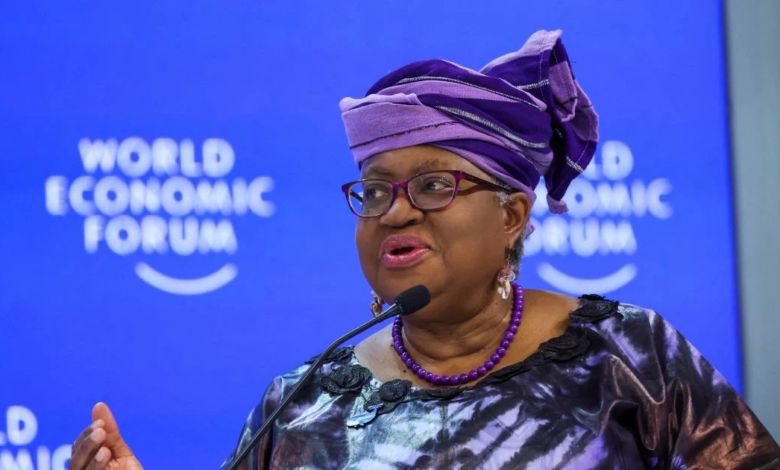
issued the World Trade Organizationstark warnings about the future of the international economy, asserting that the multilateral trading system has undergone radical and irreversible transformations. In her opening address to delegates at the 14th WTO Ministerial Conference in Yaoundé, Cameroon, Okonjo-Iweala stated that "the global order as we knew it has changed irrevocably, and we will not be able to restore it in its previous form." She emphasized the need for the international community to look to the future and explore new mechanisms for adjusting and reforming the global trading system to meet current challenges.
Transparency crisis and stalled dispute resolution
Iwiala identified a list of deep structural challenges currently plaguing the World Trade Organization. At the top of this list was the complete paralysis of the organization's Dispute Settlement Body, along with a significant lack of transparency regarding member states' reporting of their price subsidy policies. She revealed, in numerical terms, that only 64 countries had committed to submitting their official notifications on price subsidies for 2025, meaning that more than 100 member states had failed to meet this crucial obligation.
The Director-General emphasized that this lack of transparency is not merely a procedural flaw, but a destructive force that erodes trust among nations and generates growing doubts about governments' commitment to implementing fair procedures that ensure the protection of fair competition in global markets. She noted that this situation has created a vicious cycle of mistrust, preventing members from reaching consensus on much-needed new rules, reforms, and amendments.
Historical context: How did we get to this point?
To understand the dimensions of this crisis, it is necessary to consider the historical context of the World Trade Organization(WTO). The WTO was established in 1995 as the successor to the General Agreement on Tariffs and Trade (GATT), with the aim of ensuring the smooth and free flow of global trade. For many years, the Dispute Settlement Body (DSB) was the crown jewel of the organization, providing a legally binding mechanism for resolving trade disputes between countries. However, this body has been effectively paralyzed since late 2019, due to the obstruction of the appointment of new judges to the Appellate Body. This has deprived the WTO of one of its most important enforcement tools and made the global trading system more vulnerable to unilateral decisions and the disregard of international law.
Why has the global trading system changed irrevocably?
This radical shift did not occur in a vacuum; rather, it is the product of successive geopolitical and economic developments. The last decade has witnessed a marked escalation in protectionist policies and trade wars, particularly the ongoing tensions between major economic powers. Furthermore, the COVID-19 pandemic exposed the fragility of global supply chains, prompting many countries to adopt policies that shorten these chains and relocate production to allied or geographically proximate nations, prioritizing national economic security over the efficiency and open integration advocated by the WTO.
Expected impacts on the local and international economy
The collapse or decline in the effectiveness of the multilateral trading system has serious repercussions at all levels. Internationally, rising tariffs and protectionist policies slow global economic growth and drive up inflation, burdening consumers. Regionally and domestically, developing countries and emerging markets are the hardest hit. These countries rely heavily on the fair rules provided by the World Trade Organization to protect them from the dominance of major economies. Without this system, developing countries will find themselves forced to negotiate in an environment dominated by bilateral economic power, weakening their negotiating position and limiting their growth prospects.
Looking towards the future: The imperative of reform
In conclusion, the WTO's message is clear: lamenting the past will not help. The future requires the international community to abandon outdated approaches and work diligently to forge a new trade pact. This includes updating rules to encompass digital trade, integrating environmental policies and climate change mitigation into trade frameworks, and establishing alternative and flexible dispute resolution mechanisms that restore lost trust among member states and ensure the stability of the global economy.