
دعوة رسمية لتعزيز الحوار عبر مضيق تايوان
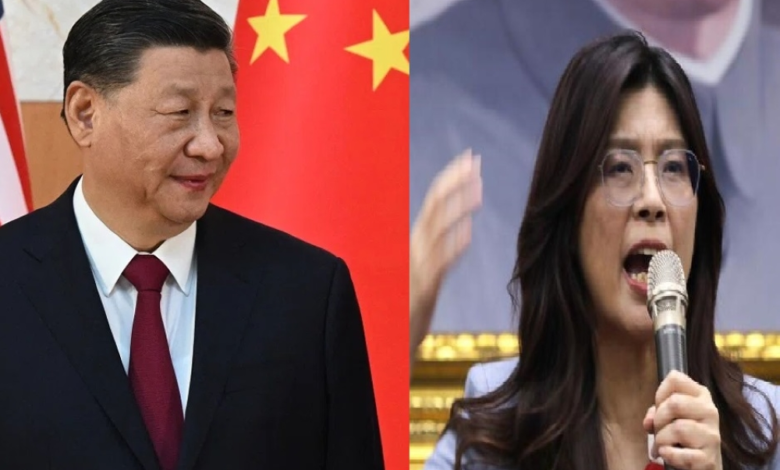
في خطوة سياسية بارزة تعكس تطورات المشهد في شرق آسيا، وجه الرئيس الصيني شي جين بينغ دعوة رسمية إلى زعيمة حزب الكومينتانغ، المعارض الرئيسي في تايوان، لزيارة جمهورية الصين الشعبية خلال شهر أبريل المقبل. وقد أكدت وسائل الإعلام الرسمية الصينية، بالإضافة إلى مصادر مسؤولة داخل الحزب التايواني، تفاصيل هذه الدعوة التي تأتي في توقيت حساس للغاية. وأوضح بيان صادر عن الحزب، والذي نقلته وكالة الأنباء الصينية الرسمية “شينخوا”، أن زعيمة الحزب قد قبلت الدعوة بكل سرور، حيث من المقرر أن تترأس وفداً رفيع المستوى إلى بكين بهدف الإسهام في تعزيز التنمية السلمية للعلاقات بين ضفتي مضيق تايوان.
السياق العام والخلفية التاريخية للعلاقات
لفهم أبعاد هذه الزيارة المرتقبة، لا بد من النظر إلى السياق العام والخلفية التاريخية المعقدة للعلاقات بين بكين وتايبيه. تعود جذور الانقسام إلى عام 1949، وذلك عقب انتهاء الحرب الأهلية الصينية التي أدت إلى سيطرة الحزب الشيوعي على البر الرئيسي وتأسيس جمهورية الصين الشعبية، بينما انسحبت الحكومة السابقة التي كان يقودها حزب الكومينتانغ آنذاك إلى جزيرة تايوان. وعلى الرغم من هذا التاريخ العدائي القديم، تحول حزب الكومينتانغ في العقود الأخيرة إلى القوة السياسية التايوانية الأكثر انفتاحاً على الحوار مع بكين. ويستند الحزبان في تواصلهما غالباً إلى ما يُعرف تاريخياً بـ “توافق عام 1992″، وهو تفاهم سياسي يعترف بوجود “صين واحدة” مع احتفاظ كل طرف بتفسيره الخاص، مما يجعله أرضية خصبة للتفاوض وتخفيف حدة التوتر المستمر.
أهمية الحدث وتأثيره المتوقع محلياً وإقليمياً
تحمل هذه الزيارة المرتقبة أهمية بالغة وتأثيراً متوقعاً على عدة أصعدة. على الصعيد المحلي التايواني، يسعى حزب الكومينتانغ من خلال تلبية هذه الدعوة إلى تقديم نفسه للناخب التايواني كصمام أمان قادر على إدارة العلاقات المعقدة مع الجار الصيني القوي، وتجنب التصعيد العسكري الذي قد يضر بالاقتصاد التايواني المعتمد بشكل كبير على التصدير وصناعة أشباه الموصلات. ويأتي هذا التوجه في تناقض واضح مع سياسات الحزب الديمقراطي التقدمي الحاكم، الذي يتبنى مواقف أكثر حزماً تجاه استقلال الجزيرة، وهو ما ترفضه بكين بشدة وتعتبره خطاً أحمر لا يمكن تجاوزه.
التداعيات الدولية واستقرار سلاسل الإمداد
أما على الصعيدين الإقليمي والدولي، فإن أي تقارب أو حوار سلمي بين ضفتي مضيق تايوان ينعكس إيجاباً على استقرار منطقة المحيطين الهندي والهادئ بأكملها. يُعد مضيق تايوان أحد أهم الممرات المائية الحيوية للتجارة العالمية، وأي تصعيد عسكري أو سياسي هناك يهدد سلاسل الإمداد العالمية بشكل مباشر. علاوة على ذلك، تلعب هذه التحركات الدبلوماسية دوراً محورياً في تشكيل ديناميكيات العلاقات الأمريكية الصينية، حيث تراقب واشنطن، الحليف الأبرز لتايوان، هذه التطورات عن كثب. إن نجاح هذه الزيارة في فتح قنوات اتصال فعالة قد يساهم بشكل كبير في نزع فتيل الأزمات المتكررة، ويقدم نموذجاً للحلول الدبلوماسية في واحدة من أكثر بؤر التوتر سخونة وتأثيراً في العالم.