Saudi private sector to increase its contribution to the economy to 51% | Vision 2030

In a historic step reflecting the profound economic transformation underway in Saudi Arabia, the 2023 annual “Saudi Vision 2030” report revealed an exceptional achievement: the private sector's contribution to GDP rose to 51%. This figure not only represents robust growth but also significantly exceeds the interim target of 47% set for 2025, placing the Saudi economy on an accelerated path toward achieving the Vision's ultimate goal of reaching 65% by 2030.
General context: Vision 2030 as an engine for transformation
This achievement comes within the framework of Saudi Vision 2030, the ambitious plan launched by Crown Prince Mohammed bin Salman in 2016 to restructure the Saudi economy and reduce its historical dependence on oil. Since its inception, the Vision has placed empowering the private sector at the heart of its priorities, recognizing it as the primary partner in development and the main driver of job creation and diversification of income sources. To achieve this, the government has implemented a wide range of legislative and regulatory reforms aimed at improving the business environment, facilitating domestic and foreign investment, and opening up new economic sectors that were previously the exclusive domain of the state.
The importance of the achievement and its expected impact
The fact that the private sector's contribution exceeded the 50% threshold years ahead of schedule carries significant economic and strategic implications on various levels:
- Domestically, this figure confirms the effectiveness of economic reforms and their ability to bring about real structural change. It also enhances the economy's capacity to create sustainable job opportunities for citizens, encourages innovation and entrepreneurship, and supports the growth of small and medium-sized enterprises (SMEs), which are the backbone of any vibrant economy.
- Regionally and internationally, this progress sends a strong message to investors worldwide that the Kingdom has become a mature and reliable investment destination, and that its business environment is more attractive and competitive. This, in turn, boosts foreign direct investment flows and reinforces the Kingdom's position as a leading economic hub in the Middle East.
Key factors behind this growth
This growth was not accidental, but rather the result of a confluence of factors and strategic initiatives, most notably the pivotal role played by the Public Investment Fund in launching mega-projects (such as NEOM, the Red Sea Project, and Qiddiya) that create tremendous opportunities for the private sector. In addition, programs like “Sharik” to boost investments by major companies, local content support programs, and the development of promising sectors such as tourism, entertainment, and fintech have opened new horizons for private companies to grow and expand. Furthermore, the comprehensive update of GDP data by the General Authority for Statistics has contributed to providing a more accurate and transparent picture of the size of economic activities, in line with best international practices.
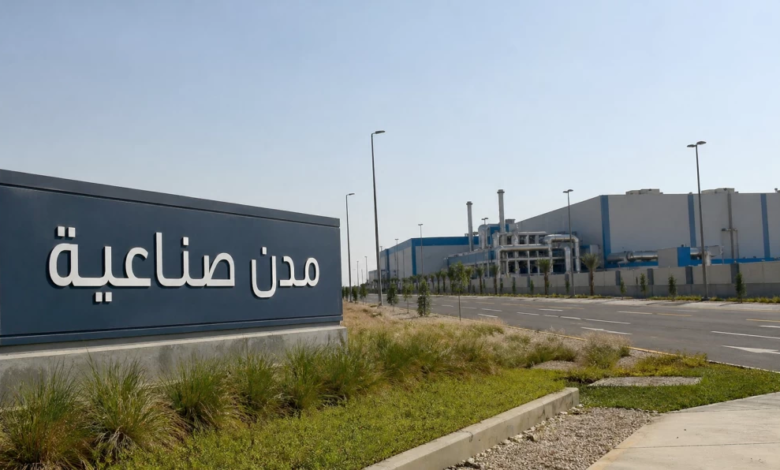
The growing performance of the private sector’s contribution reflects the success of national efforts related to Saudi Vision 2030 in improving the business environment, implementing economic reforms, developing infrastructure, and launching development initiatives that have enabled the private sector to play its strategic role in building a prosperous and sustainable economy.