The importance of the Nusuk card as a prerequisite for entering Mecca and the holy sites

The importance of the Nusuk card as a prerequisite for entering Mecca and the holy sites
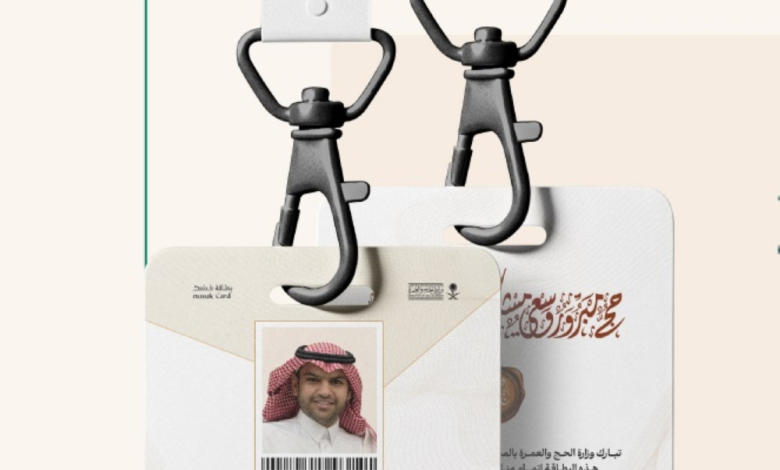
In a strategic organizational step aimed at facilitating the performance of rituals and ensuring the safety and security of pilgrims, the Ministry of Hajj and Umrah in the Kingdom of Saudi Arabia emphasized the paramount importance of carrying the Nusuk card. This card is a mandatory official document for all pilgrims, and the Ministry stressed that it is an essential and indispensable requirement for entering Mecca, the Grand Mosque, and the holy sites during the Hajj season. Movement is not permitted without it.
General context and digital transformation in Hajj services
This step comes within the framework of the comprehensive digital transformation underway in the Kingdom of Saudi Arabia as part of its Vision 2030 objectives, which prioritizes serving pilgrims. Historically, crowd management and the organization of pilgrim entry relied on paper permits and traditional mechanisms that required significant time and effort for sorting and verification. With rapid technological advancements, the Kingdom launched the “Nusk” platform as a unified portal to facilitate arrival procedures to Makkah and Madinah. Today, the Nusk card represents the culmination of these efforts, combining the pilgrim's official identity, health record, and service information in one place, thus ending the era of paper transactions and accelerating the pace of service delivery on the ground.
The impact of the Nusk card locally, regionally, and internationally
The mandatory implementation of the Hajj card has far-reaching implications. Locally, the card directly contributes to tighter security and organizational control, preventing the phenomenon of unauthorized Hajj (pilgrimage without a permit), thus easing the burden on infrastructure and preventing overcrowding and people sleeping in the streets. Regionally and internationally, this card provides pilgrims from around the world with peace of mind and confidence in the level of organization, ensuring they receive the services they have contracted for easily and conveniently, and enhancing the quality of their spiritual experience without worrying about logistical obstacles or lost data.
Integrated services and easy transportation
The Ministry of Hajj and Umrah clarified that the Nusuk card must remain in the pilgrim's possession throughout the Hajj rituals. This card plays a pivotal role in facilitating movement between the holy sites (Mina, Arafat, and Muzdalifah) and ensuring smooth and safe access to services. The card is part of an integrated system aimed at enhancing the quality of the pilgrims' experience. The Ministry explained that the card is distributed to pilgrims through approved service providers and is also available digitally via approved government applications such as the Nusuk and Tawakkalna apps, thus facilitating easy access and use at all stages of the spiritual journey.
Carrying the card throughout the Hajj period is mandatory
The Ministry urged all pilgrims to carry their Hajj cards at all times. It emphasized that this requirement expedites procedures by security and regulatory authorities, ensures efficient service delivery, and supports organizational efforts within the holy sites, which experience massive crowds. In the event that a pilgrim does not receive their card, the Ministry stressed the importance of immediately contacting their service provider or the Hajj Care Centers to avoid any obstacles that might affect their performance of the rituals.
In conclusion, these strict directives come within the framework of the Ministry of Hajj and Umrah’s keenness, in cooperation with all state sectors, to regulate the movement of crowds and achieve the highest standards of safety and service, in line with the Kingdom’s aspirations to provide an easy, safe, and unforgettable Hajj experience for all Muslims.