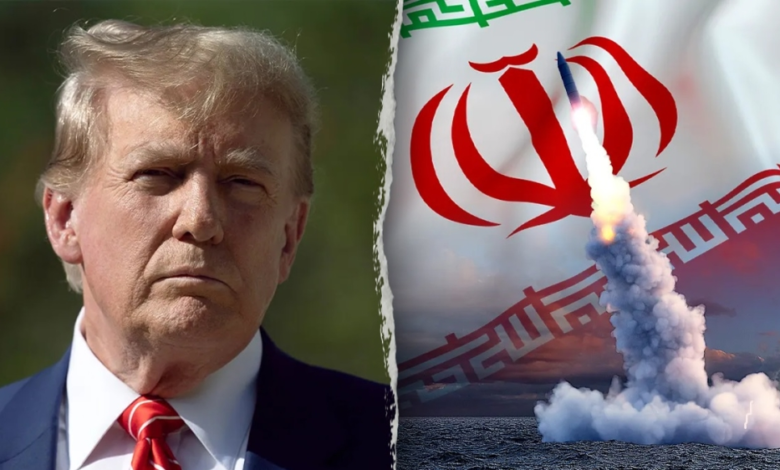

تصريحات إيرانية حادة تضع ترامب أمام خيارين
في تصعيد جديد للخطاب بين طهران وواشنطن، أعلنت إيران أن الرئيس الأمريكي دونالد ترامب يواجه خيارين لا ثالث لهما في التعامل مع الأزمة الراهنة: إما الدخول في “عملية عسكرية مستحيلة” ضدها، أو القبول بـ”صفقة سيئة” لا تلبي شروطه. جاء هذا الموقف الحاد على لسان استخبارات الحرس الثوري الإيراني، مؤكداً أن هامش المناورة المتاح أمام الولايات المتحدة قد تقلص بشكل كبير.
ونقل التلفزيون الرسمي الإيراني بياناً عن استخبارات الحرس الثوري جاء فيه: “على ترامب أن يختار بين عملية مستحيلة أو صفقة سيئة مع الجمهورية الإسلامية الإيرانية”. وأشار البيان إلى ما وصفه بـ”تغير في اللهجة” من جانب القوى الدولية مثل الصين وروسيا وأوروبا تجاه واشنطن، مما يعكس عزلة متزايدة للسياسة الأمريكية تجاه إيران.
خلفية التوتر: من الاتفاق النووي إلى سياسة الضغط الأقصى
تعود جذور التوتر الحالي إلى قرار الرئيس ترامب في مايو 2018 بالانسحاب من جانب واحد من الاتفاق النووي المبرم عام 2015 بين إيران والقوى العالمية (مجموعة 5+1). كان هذا الاتفاق، المعروف رسمياً باسم خطة العمل الشاملة المشتركة (JCPOA)، يهدف إلى تقييد برنامج إيران النووي مقابل رفع العقوبات الاقتصادية عنها. عقب الانسحاب، أعادت واشنطن فرض عقوبات اقتصادية قاسية ضمن استراتيجية أطلقت عليها “الضغط الأقصى”، بهدف شل الاقتصاد الإيراني وإجبار طهران على العودة إلى طاولة المفاوضات للتوصل إلى اتفاق جديد يشمل برنامجها الصاروخي وسياساتها الإقليمية.
تداعيات إقليمية ودولية للأزمة
أدت سياسة “الضغط الأقصى” إلى تدهور حاد في الاقتصاد الإيراني، لكنها دفعت طهران في المقابل إلى الرد عبر خطوات تصعيدية، منها تقليص التزاماتها بموجب الاتفاق النووي وزيادة أنشطة تخصيب اليورانيوم. كما شهدت منطقة الخليج العربي سلسلة من الحوادث الأمنية الخطيرة، بما في ذلك هجمات على ناقلات نفط وإسقاط طائرة مسيرة أمريكية، مما رفع المخاوف من اندلاع مواجهة عسكرية مباشرة قد تكون لها عواقب وخيمة على استقرار المنطقة وأسواق الطاقة العالمية، نظراً للأهمية الاستراتيجية لمضيق هرمز الذي يمر عبره جزء كبير من نفط العالم.
تهديدات بإغراق السفن الحربية الأمريكية
في سياق متصل، هدد محسن رضائي، القائد العام السابق للحرس الثوري والمستشار العسكري للمرشد الأعلى، بأن قدرة إيران على مواجهة الولايات المتحدة لا تقل عن قدرتها على إغراق سفنها الحربية. وقال رضائي: “استعدوا لرؤية حاملات طائراتكم وقواتكم تنتهي في المقبرة”، في تصريح يعكس مستوى الثقة العالية لدى القيادة العسكرية الإيرانية في قدراتها على ردع أي هجوم أمريكي محتمل. وتأتي هذه التصريحات في وقت تتعثر فيه المساعي الدبلوماسية لإعادة إحياء المفاوضات، حيث فشلت جولات سابقة في تحقيق أي اختراق بسبب الخلافات الجوهرية حول القضايا الأساسية مثل الملف النووي وأمن الملاحة في مضيق هرمز.