Gulf states express regret over UN resolution on the Strait of Hormuz | Details

Gulf states express regret after UN resolution on the Strait of Hormuz is rejected
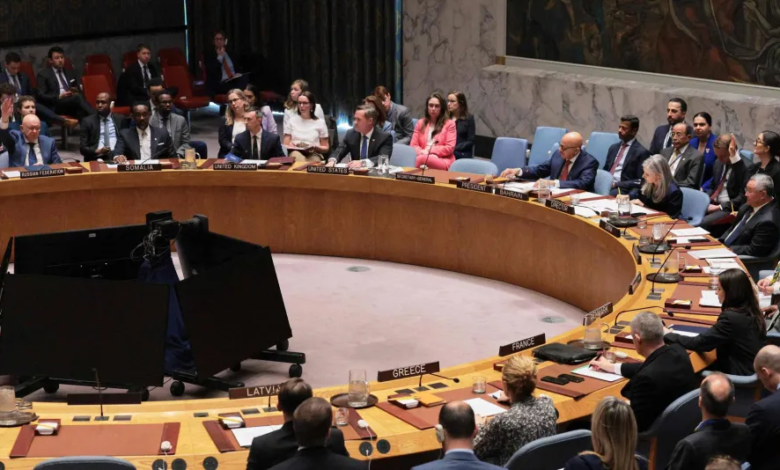
The Gulf Cooperation Council (GCC) states expressed their deep regret over the rejection of a UN resolution aimed at strengthening maritime security and ensuring freedom of navigation in Strait of Hormuz . This Gulf stance comes amidst ongoing tensions in the region, which directly impact the stability of global energy markets and the security of international trade, making international action an urgent necessity to protect this vital waterway.
General context and historical background of the Strait of Hormuz
The Strait of Hormuz is one of the world's most important and vital waterways. Geographically located between Oman and Iran, it connects the Arabian Gulf and the Gulf of Oman to the Arabian Sea and the Indian Ocean. Historically, this waterway has been the scene of numerous geopolitical tensions, most notably the "Tanker War" of the 1980s, in addition to the frequent incidents in recent years targeting commercial vessels and oil tankers. Securing this strait is a top priority for the Gulf states, as approximately one-fifth of the world's crude oil supply passes through it, making it an indispensable artery for the global economy.
The importance of the rejected UN resolution
The UN resolution, which was rejected, sought to establish a binding international framework for protecting commercial vessels and securing international shipping lanes in the Strait of Hormuz and surrounding waters. The Gulf states viewed this resolution as a necessary step to deter any threats that could disrupt global trade. The rejection of this resolution raises serious concerns among countries in the region about the potential for escalating tensions, as they believe that the absence of a firm UN mandate could send the wrong message to those seeking to destabilize the region and threaten the security of waterways.
Expected impacts at the local, regional, and international levels
At the local and regional levels, the security of the Strait of Hormuz is a matter of national security for the Gulf Arab states. Any disruption to maritime traffic poses a direct threat to their oil exports, on which their national budgets heavily rely to finance development plans. Furthermore, the continuation of these threats compels these countries to increase their military and security spending to protect their territorial waters and economic interests.
At the international level, the security of the Strait of Hormuz impacts not only the Middle East but the entire global economy. Any crisis or closure of this waterway would immediately lead to a sharp rise in oil and gas prices, negatively affecting global inflation rates and production and transportation costs in major industrialized nations. Therefore, the entire international community has a vested interest in ensuring that this strait remains open and secure for the free flow of trade.
Future vision and ongoing efforts
Despite the Gulf states' regret over the UN resolution's rejection, the GCC countries affirm their continued commitment to working and coordinating with international partners and strategic allies to ensure the security of navigation in the Strait of Hormuz. These efforts include active participation in international maritime coalitions and intensified joint security patrols, stemming from their firm belief that the security of waterways is a shared international responsibility that cannot be compromised, and that the stability of the region is a fundamental pillar for the stability of the entire world.