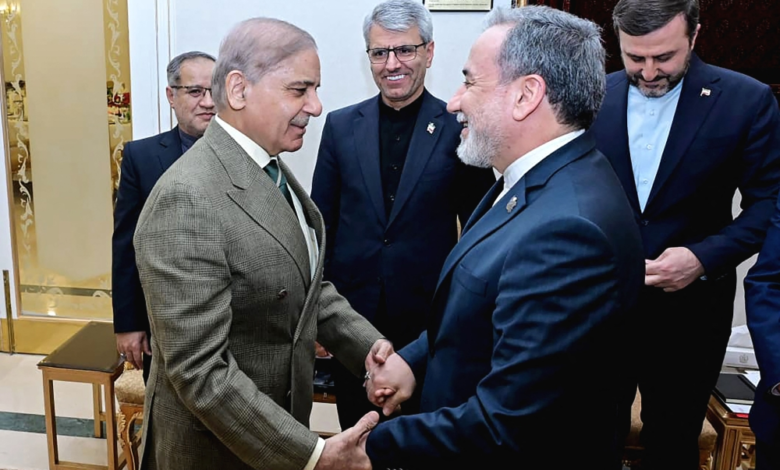

In a notable diplomatic move, Iranian Deputy Foreign Minister for Political Affairs Abbas Araqchi arrived in the Pakistani capital, Islamabad, on Sunday, marking his second visit over the weekend. This intensive visit follows a brief stop in Muscat, where he met with Sultan Haitham bin Tariq, highlighting the efforts underway to de-escalate tensions in a region experiencing heightened conflict, particularly between Tehran and Washington.
Background to the tension and Pakistani mediation
These diplomatic moves come at a complex juncture in international relations, particularly following the United States' withdrawal from the Iran nuclear deal (the Joint Comprehensive Plan of Action) in 2018 and the subsequent imposition of a "maximum pressure" campaign on Tehran. This policy has led to a sharp economic downturn in Iran and heightened military tensions in the Gulf region, including attacks on oil tankers and vital infrastructure, bringing the region to the brink of direct military confrontation on several occasions.
In this tense landscape, Pakistan's role as a potential mediator has emerged. Given its long geographical proximity to Iran and its close strategic ties with the United States and Saudi Arabia, Islamabad finds itself uniquely positioned to play a role in bridging the divide. Any military conflict in its immediate vicinity would pose a serious threat to its national security and economic stability, which explains the Pakistani leadership's keen efforts to prevent a slide into war.
The importance of the visit and its potential impact
The visit of Araqchi, a senior Iranian negotiator with extensive experience in the nuclear file, is of particular importance. It not only represents a response to the Pakistani initiative but also reflects Iran's desire to explore all possible diplomatic channels to alleviate the pressure it faces. The talks in Islamabad are expected to focus on conveying messages and clarifying positions between the Iranian and American sides, with Pakistan potentially playing the role of a reliable "back channel.".
Regionally, the success of this mediation could help reduce tensions in the Gulf and pave the way for broader dialogue involving other regional powers. Internationally, any progress achieved would be seen as a model of preventive diplomacy led by regional states, potentially encouraging similar solutions in other crises. However, the success of these efforts remains contingent on the seriousness of the key parties, particularly Washington and Tehran, in making genuine concessions to avoid confrontation.