Prevention treats 172,000 sites to protect Saudi Arabia from common diseases

Proactive efforts to enhance national health security
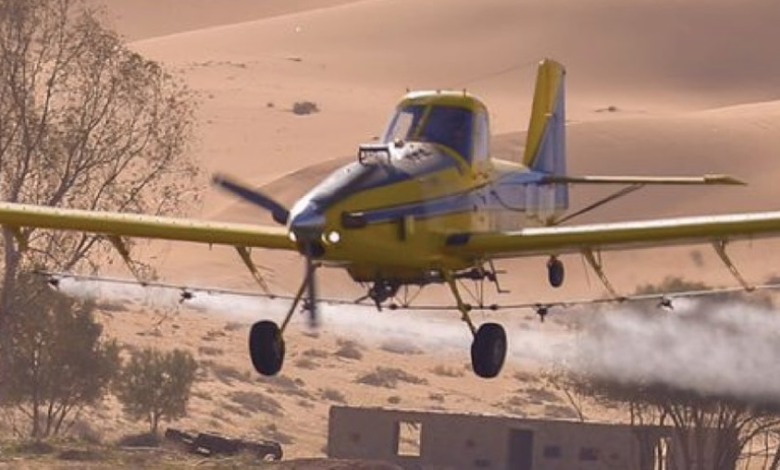
In a strategic move aimed at strengthening the health security system in the Kingdom of Saudi Arabia, the National Center for Plant Pest and Animal Disease Prevention and Control (Weqaa) announced its significant field achievements in treating more than 172,000 sites across the Kingdom. These intensive efforts, which included 302 aerial sorties, are part of the Integrated Vector Management (IVM) implementation plan, which aims to reduce the spread of zoonotic diseases and protect public health.
General context: The concept of “One Health” and Vision 2030
These initiatives fall under the global concept of “One Health,” which the Kingdom has adopted as a fundamental approach in its health policies. This concept recognizes the close interrelationship between human health, animal health, and environmental well-being, emphasizing that protecting any one of these elements is protecting the entire system. Historically, vector-borne diseases such as those transmitted by mosquitoes and ticks have posed a global health challenge, and the Kingdom, given its geographical location and diverse environment, places paramount importance on proactive prevention. These efforts align with the objectives of Saudi Vision 2030, particularly regarding building a vibrant society with healthy individuals and an effective healthcare system.
Operational details: Integration of technology and field experience
The “Wiqaa” Center revealed details of its extensive operations, which combined meticulous monitoring with effective control. Field monitoring and investigations surveyed over 101,321 sites to ensure comprehensive coverage of potential breeding grounds. To enhance data accuracy and rapid response, advanced technologies were employed, including 12,563 smart traps. Regarding control, 172,086 sites were treated using an integrated strategy combining chemical, biological, and environmental methods to ensure sustainable effectiveness and minimize environmental impact. To cover vast areas and rugged terrain, specialized teams conducted 302 aerial spraying sorties, covering a total area of approximately 429,574 hectares, in addition to directly treating 935 sites through targeted aerial spraying.
Importance and expected impact: local and regional dimensions
The importance of this campaign extends beyond direct public health concerns to encompass economic and social dimensions. Locally, these efforts contribute to the prevention of diseases such as dengue fever, malaria, and Rift Valley fever, thus reducing the burden on the healthcare system and safeguarding the health of citizens and residents. Economically, combating these diseases helps protect livestock and the agricultural sector, both vital pillars of the national economy. Regionally and internationally, the Kingdom's success in controlling disease vectors reinforces its position as a safe and stable destination, especially given its hosting of millions of visitors annually for Hajj, Umrah, and tourism, highlighting its pivotal role in the global health security system.