
قرار استراتيجي لدعم استقرار سلاسل الإمداد
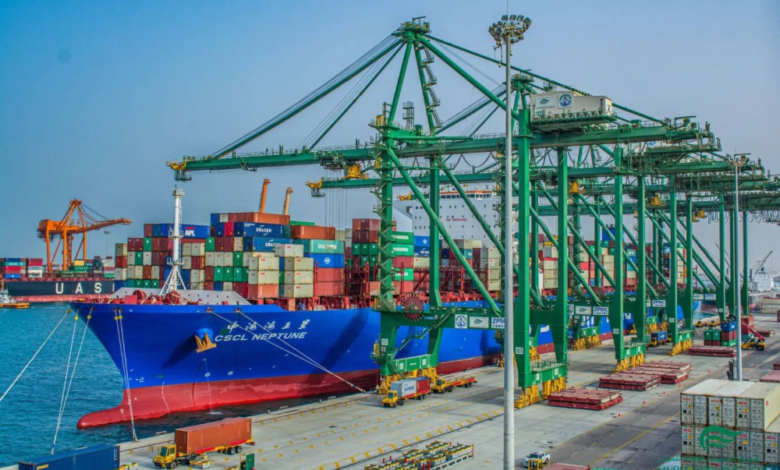
أعلنت الهيئة العامة للموانئ السعودية “موانئ” عن تأجيل تطبيق القرار الإلزامي باستخدام “الطبليات” في شحن البضائع الواردة إلى المملكة عبر الحاويات، وذلك حتى إشعار آخر. ويأتي هذا القرار الاستراتيجي كخطوة استباقية تهدف إلى تخفيف حدة التداعيات الناجمة عن التوترات الجيوسياسية العالمية، وضمان استمرارية وانسيابية سلاسل الإمداد المتجهة إلى أسواق المملكة، مما يعكس مرونة القطاع اللوجستي السعودي وقدرته على التكيف مع المتغيرات الدولية.
وأوضحت الهيئة أن هذا التأجيل يأتي استجابة للضغوط المتزايدة التي تواجهها خطوط الملاحة الدولية، وتأكيداً على حرصها الدائم على تعزيز كفاءة العمليات التشغيلية في الموانئ السعودية دون إضافة أعباء جديدة على المستوردين والشركات في ظل الظروف الراهنة التي يشهدها قطاع الشحن العالمي.
خلفية القرار وأهدافه الأصلية
كان من المقرر أن يدخل القرار حيز التنفيذ الإلزامي الكامل في الأول من شهر يونيو لعام 2026، بعد فترة تطبيق تجريبية تبدأ في يونيو 2025. وهدف القرار في أساسه إلى تحديث وتطوير العمليات اللوجستية في الموانئ السعودية بما يتماشى مع أفضل الممارسات العالمية. فالطبليات، وهي هياكل خشبية أو بلاستيكية مسطحة، تعد عنصراً محورياً في الخدمات اللوجستية الحديثة، حيث تسهل عمليات مناولة البضائع وتفريغها باستخدام الرافعات الشوكية، مما يساهم بشكل مباشر في تقليص زمن الإفراج الجمركي عن الشحنات، ويسرّع من دورة العمل داخل الموانئ.
الأهمية الاقتصادية وتأثير القرار على السوق
يلعب استخدام الطبليات دوراً حيوياً في حماية البضائع من مخاطر التلف والضياع أثناء النقل والمناولة، بالإضافة إلى تعزيز كفاءة عمليات التفتيش الأمني وضمان سلامة الكوادر العاملة في الميدان. وكان من المتوقع أن يؤدي تطبيق القرار إلى رفع الكفاءة التشغيلية بنسب ملحوظة. إلا أن التحديات التي فرضتها الاضطرابات في ممرات الشحن الدولية، مثل البحر الأحمر، دفعت “موانئ” إلى إعادة تقييم الأولويات، حيث أصبح ضمان وصول السلع والمنتجات إلى السوق المحلي دون انقطاع أو ارتفاع كبير في التكاليف هو الهدف الأسمى في المرحلة الحالية. ويمنح هذا التأجيل المستوردين والشركات المصدرة للمملكة مساحة كافية للتخطيط والتكيف دون ضغوط إضافية.
قائمة المواد المستثناة والنظرة المستقبلية
تجدر الإشارة إلى أن التنظيم الأصلي كان قد أعفى قائمة محددة من البضائع التي يصعب بطبيعتها وضعها على طبليات. وشملت هذه الاستثناءات المواد السائبة الجافة والسائلة التي تُشحن مباشرة في وسائل النقل مثل القمح والأسمنت والجبس والمواد البترولية. كما امتد الإعفاء ليشمل المواد الخام الواردة في أكياس “جامبو” ضخمة، والآلات والمعدات الثقيلة، وخطوط الإنتاج، والمولدات الكهربائية، بالإضافة إلى المنتجات المعدنية كبيرة الحجم مثل اللفائف والرولات وأسياخ الحديد والأنابيب الضخمة والكتل الرخامية والجرانيت الخام. وأتاحت الهيئة آلية لتقديم طلبات استثناء إضافية، والتي تخضع للدراسة الفنية بالتنسيق مع هيئة الزكاة والضريبة والجمارك. ويؤكد هذا التأجيل أن الهدف النهائي المتمثل في تحديث الموانئ لا يزال قائماً، ولكن سيتم تنفيذه في توقيت يراعي استقرار الاقتصاد الوطني وسلاسل الإمداد العالمية.