
remains of old rent contracts in Egypt one of the most complex socio-economic problems. The "alternative housing" proposal put forward by some as a solution to the crisis faces widespread rejection from a large segment of tenants. Despite ongoing attempts to resolve the long-standing conflict between landlords and tenants, the proposed solutions, primarily relocation to housing units in new cities, remain unattractive to many who are determined to stay in their current homes.
The historical roots of the crisis
To understand the reasons for this rejection, we must go back a little. The roots of the old rent crisis lie in the socialist laws issued in the 1950s and 60s, specifically the laws that froze rental values and extended leases for indefinite periods, allowing them to be inherited by children. These laws, which at the time aimed to protect the social fabric and provide affordable housing, transformed over the decades and with changing economic conditions into a heavy burden on landlords, causing significant distortions in the Egyptian real estate market.
Why do tenants refuse alternative housing?
The concept of "alternative housing" revolves around providing residential units in new cities (such as 6th of October, Badr, and Obour) to tenants in exchange for vacating their old units, which are often located in prime areas in the heart of Cairo and major governorates. Tenants reject this offer for several logical reasons:
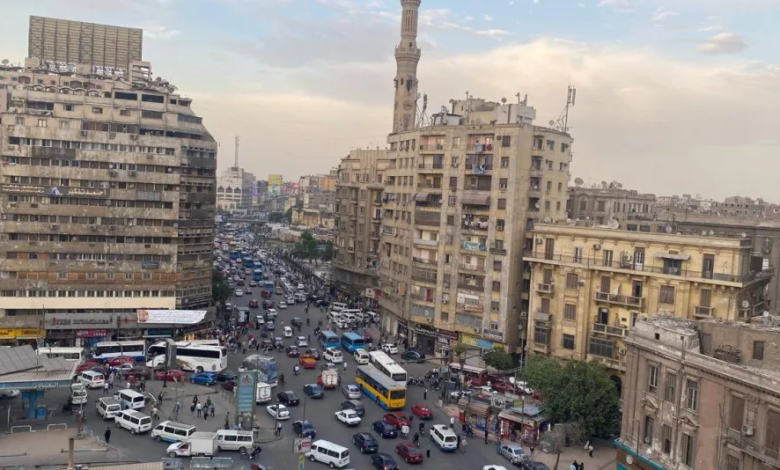
- Geographical location: Most tenants of old rent contracts live in downtown areas and old neighborhoods where all services and transportation networks are available, while they consider moving to new cities a kind of “displacement” to areas far from their workplaces, their children’s schools and their family ties.
- The economic dimension: Despite the decrease in rents for old units in a manner that is not commensurate with the current reality, moving to alternative housing may impose new financial burdens, whether in transportation costs, services, or even ownership installments for new units, which is something that many people with limited incomes and pensions cannot afford.
- Social connection: The old residential neighborhood represents a part of the residents' identity, as they have lived there for decades, and leaving it represents a disintegration of the social fabric they have become accustomed to.
Economic impact and decline in real estate wealth
On the other hand, tenants' determination to remain in their properties casts a dark shadow over Egypt's real estate market. Due to the low rental values, which can sometimes amount to only a few Egyptian pounds per month, landlords are unable to maintain their properties. This has led to the deterioration of the structural condition of thousands of heritage and residential buildings, some of which have reached the point of collapse. Furthermore, the freezing of these assets prevents significant investments from being injected into the real estate market, leaving residential units in prime locations outside the actual economic cycle.
Searching for a balanced legislative solution
The ball is now in the court of the Egyptian legislature, as the House of Representatives discusses several proposals to gradually liberalize the landlord-tenant relationship in a way that ensures "social harmony." These proposals include a phased increase in rents to reach fair market value within a defined timeframe (a transitional period), along with the establishment of a fund to support tenants in need, instead of relying solely on alternative housing options, which have proven ineffective as the only solution to the crisis.