Wakaa releases 8.7 million beneficial organisms to support sustainable agriculture in the Kingdom

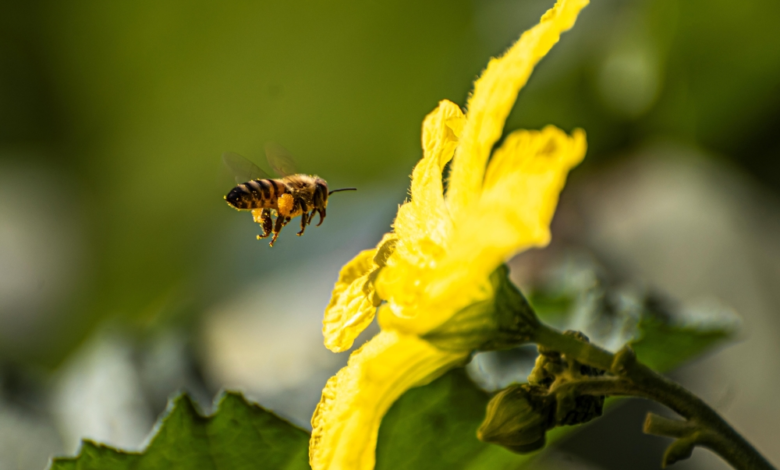
The National Center for Plant Pest and Animal Disease Prevention and Control (Wiqa’) announced the implementation of a major initiative to support sustainable agriculture, releasing more than 8.7 million beneficial organisms and 154 bumblebee colonies in four regions of the Kingdom. This operation, which took place between May 3 and 7, aimed to protect an estimated 137 hectares of agricultural land, distributed across 60 farms and 302 agricultural fields, with the goal of reducing reliance on chemical pesticides and promoting natural ecological balance.
Background on biological control and global trends
This step comes within the context of a global shift towards environmentally friendly agricultural practices. Biological pest control, which relies on using the natural enemies of pests (such as predatory insects or parasites) to reduce their populations, is a safe and effective alternative to traditional chemical pesticides. Studies have proven that the excessive use of pesticides causes significant environmental damage, such as soil and groundwater pollution, and harm to beneficial insects like bees, in addition to potential health risks to humans. The efforts of the “Wiqaa” Center align with this global trend and translate into reality the objectives of the Kingdom’s Vision 2030 and the Saudi Green Initiative, which prioritize environmental sustainability and food security.
Details of the initiative and its strategic objectives
The center explained that its technical teams implemented six integrated programs within the framework of “Integrated Plant Pest Management,” which aimed to combat harmful insects that negatively impact the quality and abundance of agricultural production. The process included releasing eight different types of beneficial organisms, carefully selected based on recent scientific studies to ensure their effectiveness in the local environment. In addition to pest control, the deployment of 154 bumblebee colonies aims to improve agricultural pollination, a crucial element for increasing crop yield and quality, especially for vegetables and fruits. The center emphasized that these preventative solutions not only contribute to crop protection but also enhance biodiversity on farms.
Importance and expected impact on the agricultural sector
The significance of this initiative extends beyond the targeted farms, serving as a model that can be implemented more broadly across the Kingdom. Locally, farmers will benefit from reduced pesticide costs and access to safer and healthier agricultural products, enhancing their competitiveness in the market. Nationally, adopting these sustainable practices directly supports food security, reduces reliance on imports, and makes the agricultural sector more resilient to environmental challenges. Internationally, these efforts highlight the Kingdom's commitment to global environmental agreements and its ambition to be a leader in sustainable agriculture in the region. To support this transformation, the center's specialists conducted 54 field visits to educate farmers on biological control mechanisms and best practices for their application, ensuring long-term success.