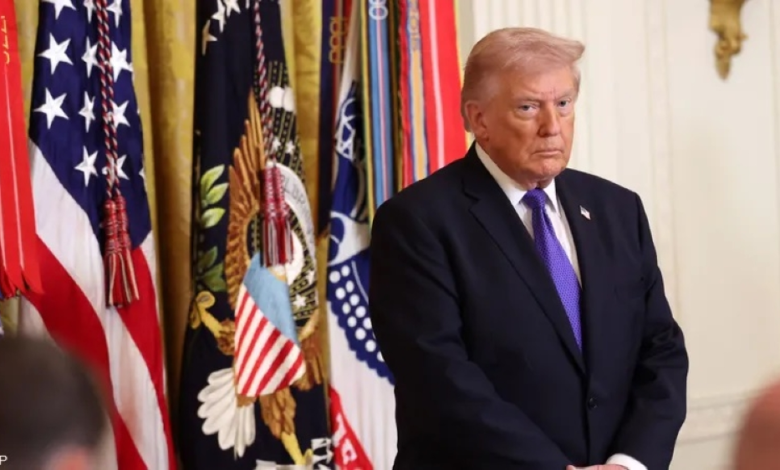
Trump: Maximum pressure policy has weakened Iran's influence in the Middle East

Harsh statements and a policy of maximum pressure
Former US President Donald Trump asserted that Iran is no longer the dominant power seeking to exert its influence in the Middle East, indicating that his policies have weakened its ability to intimidate neighboring countries. In a series of statements, Trump emphasized that Iran is no longer the "bully" of the region and is experiencing chaos as a result of the economic and political pressures imposed by his administration.
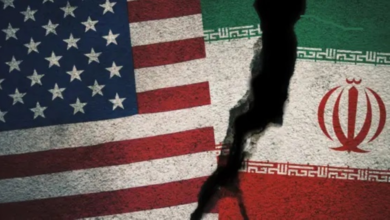
These statements come in the context of the “maximum pressure” strategy adopted by the Trump administration after the United States withdrew from the Iranian nuclear agreement (the Joint Comprehensive Plan of Action) in 2018. This strategy aimed to force Tehran to return to the negotiating table to reach a new, more comprehensive agreement that would not only address its nuclear program, but also its ballistic missile program and its regional role, which Washington considers destabilizing.
Background to the tension in the Gulf waters
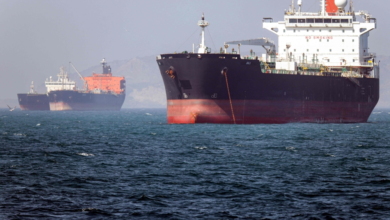
Trump indicated that he had given direct orders to the US Navy to deal firmly with any Iranian provocations in the Gulf, specifically in the Strait of Hormuz, the vital waterway through which a large portion of the world's oil supply passes. Trump stated that he had instructed the Navy to "destroy" any Iranian armed boats that harass US ships. This stance reflects the escalating tensions in the region during his presidency, which has seen incidents involving the seizure of oil tankers and attacks on critical infrastructure, raising the level of security and military risks in the region.
Impact of economic sanctions
Trump explained that the economic embargo and sanctions imposed on Iranian ports and vital sectors, such as oil and banking, were a more effective and impactful tool than direct military action. He added that “the embargo terrifies the Iranian regime more than bombing,” emphasizing that his administration would continue to impose these sanctions to cripple the regime’s ability to fund its proxies in the region and pursue its expansionist policies. These sanctions have already led to a sharp decline in the Iranian economy, a devaluation of the local currency, and increased inflation rates, significantly impacting the lives of Iranian citizens and fueling internal unrest.
Regional and international dimensions
Trump’s policy toward Iran had a profound impact both regionally and internationally. Regionally, it was welcomed by Washington’s traditional allies, such as Saudi Arabia and Israel, which share the United States’ concerns about Iran’s ambitions. Internationally, the unilateral withdrawal from the nuclear agreement strained relations with European allies (Britain, France, and Germany), who had strived to preserve the agreement as the best way to prevent Iran from developing nuclear weapons. Despite this, Trump maintained that his ultimate goal was to reach a “good deal” with Iran that would serve the interests of the American people and ensure the security of the region and the world.