
Urgent international call for peace in the Middle East
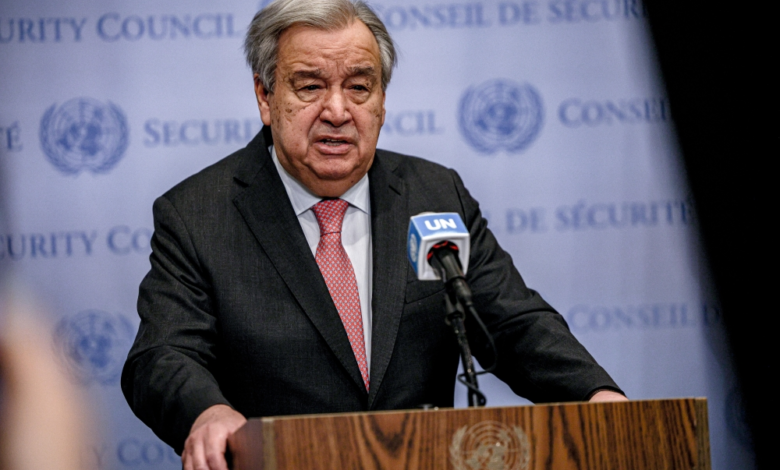
United Nations Secretary-General António Guterres reiterated his urgent appeal to the international community and the parties to the conflict to resume serious and comprehensive negotiations to end the ongoing conflict in the Middle East. In a press statement from UN Headquarters in New York, Guterres emphasized that the complex crises plaguing the region cannot be resolved through military means, stressing that lasting peace agreements require strong political will and genuine commitment from all parties involved.
Regional tensions and the importance of the Strait of Hormuz
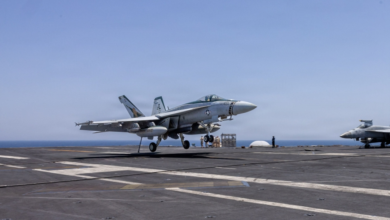
Referring to the recent talks in Pakistan between Tehran and Washington, the Secretary-General stressed the critical importance of maintaining the ceasefire and de-escalating tensions between the United States and Iran. Guterres also addressed a vital issue for the global economy: freedom of navigation. He emphasized the need for all parties to respect this right, particularly in the strategic Strait of Hormuz. Historically, the Strait of Hormuz is one of the world's most important waterways, through which approximately one-fifth of the world's oil supply passes. Any military escalation in this sensitive region risks catastrophic consequences for energy prices and the global economy as a whole.
Prioritizing diplomacy and respecting international law
Guterres delivered a firm message: “It is time to show maximum restraint and responsibility, and to prioritize diplomacy over military escalation.” He strongly urged respect for international humanitarian law and UN conventions, expressing deep regret that these laws are currently being trampled upon in many parts of the world. He emphasized the undeniable truth that non-compliance with international law breeds chaos, fuels the cycle of human suffering, and ultimately leads to the widespread destruction of infrastructure and societies.
Lebanese-Israeli talks and the challenges to stability
On the Lebanese-Israeli front, the Secretary-General addressed the direct talks that had begun between Israel and Lebanon, a country that found itself drawn into the regional conflict. In response to expectations surrounding these talks, Guterres realistically stated that “no one expects these meetings to provide magical and immediate solutions to all the deep-rooted problems.” Nevertheless, he emphasized that the mere fact that these talks were taking place was a crucial step, and if they succeeded in creating the necessary conditions for a change in the behavior of the actors involved, the outcome would be extremely positive.
Historical context and expected impact
Guterres's remarks come against a complex historical backdrop of decades of Arab-Israeli conflict and geopolitical tensions in the region. Historically, the United Nations has played a pivotal role in mediation efforts, such as the adoption of Resolution 1701, which ended the 2006 war between Israel and Hezbollah. Today, Guterres accuses both Israel and Hezbollah of contributing to the destabilization of Lebanon's already fragile government, with each side blaming the other. The impact of this conflict extends beyond the local level, destroying infrastructure and increasing the number of displaced persons; it threatens to ignite a full-blown war that could draw in other regional powers. Internationally, the continuation of this crisis undermines the credibility of international institutions and poses a direct threat to international peace and security, making a return to the negotiating table the only option to spare the region and the world the devastation of a war that would leave nothing standing.