The Health Museum documents half a century of history... and rare artifacts tell the story of the transformation

The museum's owner, Talal Al-Bandar, explained in a statement to Al-Youm that the idea of establishing the museum came with the aim of introducing new generations to the humble beginnings of healthcare, and highlighting the stages of its development until it became an advanced system that competes globally.
A rich historical record
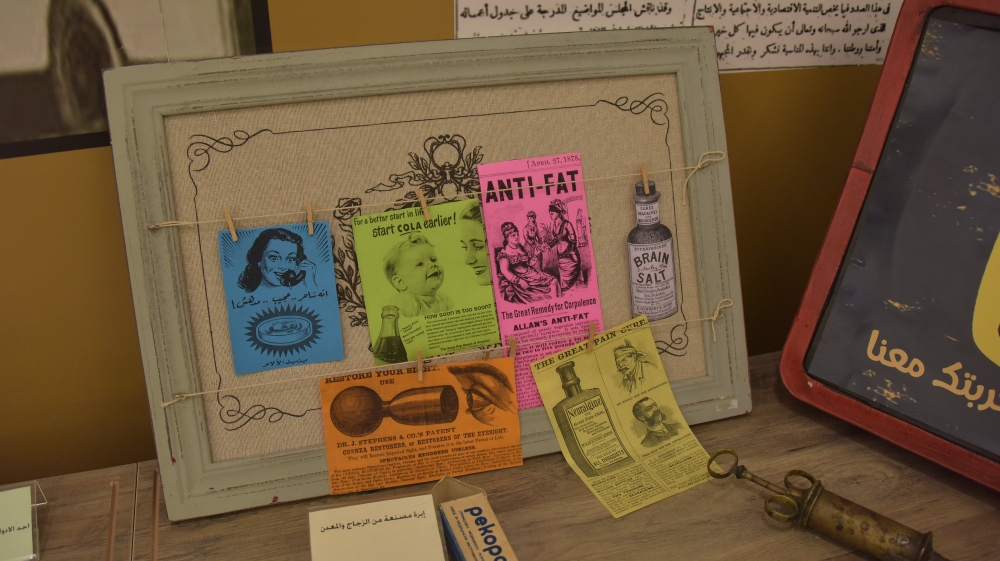
He pointed out that the exhibited artifacts are not merely medical tools, but represent a historical record documenting the efforts of doctors, nurses, and healthcare practitioners who worked with limited resources and contributed to building a solid foundation for current healthcare advancements.
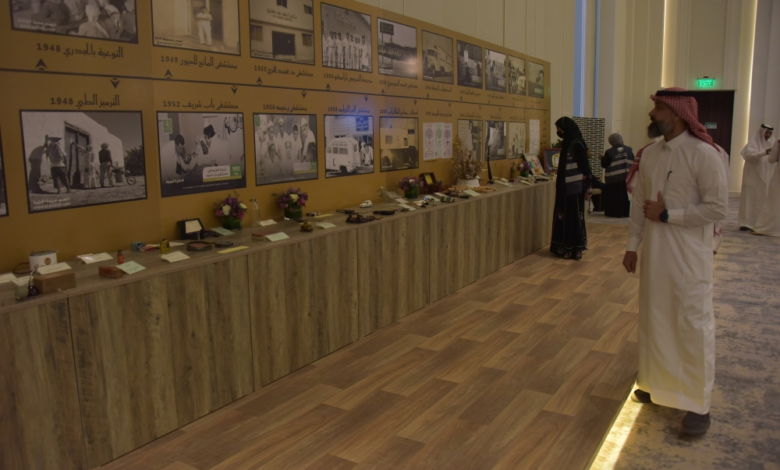
Al-Bandar explained that visitors experience a journey through time, beginning with the pre-modern hospital era, when manual labor was the primary method, and progressing to the use of advanced diagnostic and treatment equipment.
The exhibition includes medical artifacts over 50 years old, used in the early clinics and hospitals, including primitive stethoscopes and paper records reflecting documentation methods before the advent of electronic systems.
A qualitative health shift
He explained that collecting these artifacts took years of research and communication with former practitioners, in addition to acquiring original equipment from medical facilities that have been out of service for decades.
He noted that the museum aims to highlight the "qualitative leap" the healthcare sector has witnessed, through a tiered display that begins with simple tools and culminates in advanced technologies, including the evolution of imaging equipment and digital procedures that have contributed to shaping the current system.
Al-Bandar concluded by emphasizing that the project represents a "message of appreciation" to the pioneers of the healthcare sector, expressing his hope that it will reflect to visitors the magnitude of the efforts made, reinforce a sense of pride in the progress achieved, and foster an understanding of the challenges that preceded reaching the current levels of "quality of life."