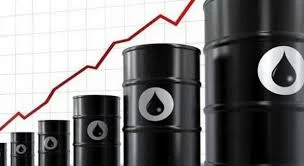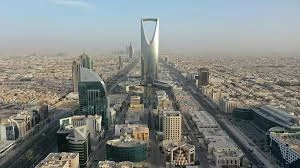

A recent report issued by the Saudi Ministry of Industry and Mineral Resources revealed a significant leap forward in the industrial sector, with investments in new factories that have commenced production or are under construction reaching SAR 76.1 billion. These figures serve as tangible evidence of the Kingdom's rapid progress towards achieving the goals of Vision 2030, which aims to diversify the economic base and reduce reliance on oil as the primary source of income.
According to official data, the total number of factories in the Kingdom has reached 12,946, of which 10,394 are already operational, in addition to 2,552 still under construction. This significant expansion of industrial infrastructure reflects a firm government commitment to transforming the Kingdom into a leading industrial power at both the regional and global levels, and to attracting quality investments that will boost non-oil GDP.
General context: Vision 2030 as an engine for transformation
Since launching Saudi Vision 2030 in 2016, the Kingdom has set ambitious plans to restructure its economy. The National Industrial Development and Logistics Program (NIDLP) is one of the most important programs for achieving this vision, aiming to transform Saudi Arabia into a global industrial and logistics hub. The recently announced investments are not a coincidence, but rather the culmination of years of strategic planning, streamlined regulations, incentives for local and international investors, and the creation of an attractive and globally competitive business environment.
The mining sector: the third pillar of the economy
Growth was not limited to the manufacturing sector; it extended to the mining sector, which the Kingdom considers of paramount strategic importance. The report indicated that the number of valid mining licenses reached 2,925, with total investments in new licenses amounting to 44 billion riyals, while the sector's exports reached 56 billion riyals. The Kingdom aims to make mining the third pillar of national industry after oil and petrochemicals, leveraging its vast mineral wealth, valued at trillions of dollars, which includes gold, copper, phosphate, uranium, and other strategic minerals.
Importance and expected impact
This industrial and mining growth has broad economic and social impacts. Domestically, it contributes to creating thousands of high-quality jobs for citizens, localizing advanced technologies, enhancing local content, and reducing the import bill. Regionally, these investments solidify the Kingdom's position as a major industrial and logistical hub in the Middle East, strengthening the integration of regional supply chains. Internationally, this development positions Saudi Arabia as a significant player in the global economy, not only as an energy supplier but also as a reliable industrial partner and a major source of minerals used in future industries such as electric vehicles and renewable energy.