Arrival of Hantavirus-carrying ship passengers in Europe raises global concerns

Passengers infected arrive in the Netherlands and Spain
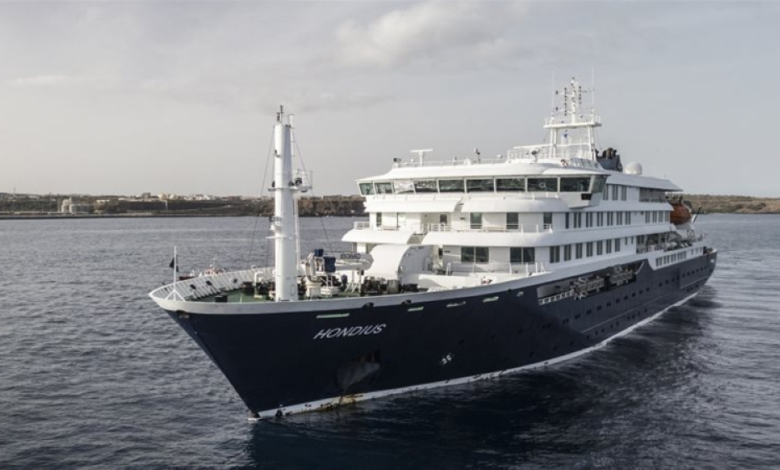
In a development that is raising concerns among European health authorities, three passengers from the cruise ship Hondus, which experienced an outbreak of the rare Hantavirus, arrived in the Netherlands and Spain following a complex medical evacuation. A plane believed to be carrying one of the passengers landed at Amsterdam Airport in the Netherlands, while another plane carrying two patients landed in Las Palmas in the Canary Islands, Spain, due to an emergency technical issue.
Spanish Health Minister Monica Garcia Gomez confirmed that the two patients who arrived in Spain will need a new plane to complete their journey to the Netherlands, noting that the authorities are handling the situation with the utmost caution to ensure that the infection does not spread.
What is the Hantavirus? And why is this outbreak causing concern?
Hantavirus is a group of viruses primarily spread by infected rodents, such as mice and rats. Infection typically occurs when humans inhale airborne particles from rodent urine, feces, or saliva. Initial symptoms range from fever, fatigue, and muscle aches to headache and dizziness, but can rapidly progress to serious illnesses such as hantavirus pulmonary syndrome (HPS), which affects the respiratory system, or hemorrhagic fever with renal syndrome (HFRS).
What makes this outbreak on board the Hondus ship particularly worrying is the confirmation by experts that the strain discovered is the Andes virus, a rare strain of Hantavirus, and the only one known so far that can be transmitted from person to person through direct contact, raising the risk of it turning into a wider epidemic.
A timeline of events on board the ship "Hondius"
The global health crisis began to unfold when the cruise ship Hondus set sail from Ushuaia, Argentina, in early April on an expedition. The World Health Organization was notified of the situation on Saturday after three passengers died from suspected hantavirus. The tragedy began with the death of a Dutch man on board on April 11. His wife died 15 days later after accompanying his body to South Africa, where she also tested positive for the virus. Since Sunday, the ship has been anchored off the coast of Cape Verde while emergency teams work to contain the situation.
International impact and containment efforts
The case has triggered an international health alert, particularly after it was revealed that one of the victims, a Dutch woman, traveled on a commercial flight from St. Helena to Johannesburg while exhibiting symptoms of the illness. Health authorities are currently tracing all passengers on that flight and their potential contacts in an effort to contain any possible spread of the virus. The ship originally carried 88 passengers and 59 crew members of 23 different nationalities, complicating cross-border contact tracing efforts. The ship is expected to dock in Tenerife in the Canary Islands within the next few days, where the passengers' health will be assessed before they are allowed to return to their home countries.