
A strategic step towards enhancing building safety
In a significant regulatory step aimed at protecting lives and property, the Saudi Building Code Center has issued a draft technical guide for the application of liquefied petroleum gas (LPG) systems in buildings. This guide imposes a set of stringent engineering and safety requirements, identifies 19 common and serious violations, and emphasizes that the Saudi Building Code is the ultimate authority in case of any conflict. This initiative is part of ongoing national efforts to raise safety standards in the construction sector, in line with the goals of Saudi Vision 2030 to improve quality of life and provide a safe and sustainable built environment.
General context: From random storage to secure centralized systems
Historically, many buildings in the Kingdom relied on individual gas cylinders and practices that lacked safety standards, posing a constant source of concern and causing numerous tragic accidents. The new regulations represent a significant shift towards abandoning these haphazard practices and adopting modern, safe, centralized gas systems. The regulations aim to govern the gas sector meticulously, from filling and supply companies to engineering consultancies responsible for design, and finally to contractors specializing in installation and maintenance, all under rigorous government oversight and inspection to ensure full compliance.
Key technical requirements to ensure safety
The guide sets out strict technical standards for the various stages of gas system installation and operation, most notably:
- Leak detection and alarm systems: The guide mandates the installation of advanced two-stage leak detectors; the system triggers an early audible and visual alarm when the gas concentration reaches 15% of the minimum ignition limit (LEL), and then an electric valve automatically and immediately cuts off the gas supply when the concentration reaches 30%, to prevent any explosion.
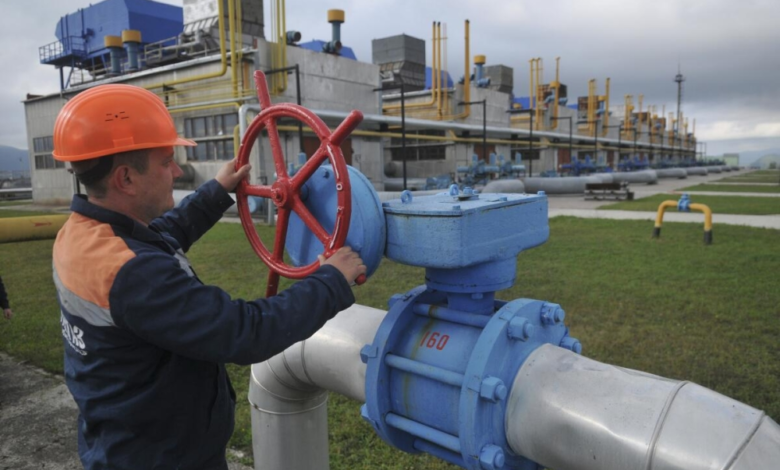
- Materials and Installations: The regulations strictly prohibit the installation of gas pipes under building foundations or within wall cavities and elevator shafts. They also emphasize the use of approved, corrosion-resistant materials, specify safe operating pressures for copper pipes, and prohibit the use of polyethylene pipes inside buildings.
- Tank locations: The regulations prohibited the installation of tanks on building roofs, and required leaving safe distances of no less than three meters between buried tanks and the boundaries of neighboring properties, with the necessity of burying them at a depth of no less than 15 centimeters in areas free from vehicle traffic.
Liability determination and mandatory insurance
To ensure transparency and clarify responsibilities, the guide delineates the roles of stakeholders in the sector. Filling companies are limited to supply, consulting firms handle design and site approval, and qualified contractors are responsible for implementation, operation, and maintenance. As a proactive measure to protect rights and mitigate risks, the guide mandates that all parties involved, including the end user, obtain comprehensive and valid insurance policies to cover any damage to property or individuals resulting from gas leaks.
Monitoring serious violations
The center warned of 19 clear violations that threaten the safety of facilities, vowing to monitor and deal with them firmly. Among the most dangerous of these practices are:
- Heating gas tanks with hot water to increase flow is a disastrous practice that should be replaced with safe evaporators.
- Using old tanks or exceeding the permitted limit for the number of tanks on a single site.
- The absence of periodic maintenance contracts with specialized companies.
- Using connections and pipes not designed for liquefied petroleum gas.
- Lack of proper fire extinguishing systems.
Expected impact: From local safety to regional leadership
These regulations are expected to have a profound positive impact locally, significantly reducing fire and explosion incidents, thereby enhancing residents' sense of security and increasing the value of properties that comply with the standards. Regionally, this move positions Saudi Arabia as a leader in building safety and provides a regulatory model that neighboring countries can emulate. Internationally, this development reflects the Kingdom's commitment to global best practices in safety, making the Saudi market more attractive to international investments and companies in the construction sector.