
تواجه اليمن، التي تعاني بالفعل من واحدة من أسوأ الأزمات الإنسانية في العالم، تحديًا صحيًا جديدًا يتمثل في اتساع نطاق تفشي وباء الملاريا. ومع انهيار النظام الصحي وتدهور الظروف المعيشية لملايين السكان، يتحول هذا المرض، الذي يمكن الوقاية منه وعلاجه، إلى تهديد قاتل يفاقم من معاناة الشعب اليمني ويزيد الضغط على المنظومات الطبية المنهكة.
خلفية تاريخية وسياق الأزمة
الملاريا ليست مرضًا جديدًا في اليمن، حيث تعتبر من الأمراض المتوطنة تاريخيًا، خاصة في المناطق الساحلية والمنخفضة مثل الحديدة وحجة. قبل اندلاع النزاع في عام 2014، كانت هناك برامج وطنية فعالة لمكافحة الملاريا، تشمل توزيع الناموسيات المعالجة بالمبيدات، وحملات الرش، وتوفير التشخيص والعلاج. لكن سنوات الحرب المستمرة أدت إلى تدمير البنية التحتية الصحية بشكل شبه كامل، حيث توقفت أكثر من نصف المرافق الصحية عن العمل، بينما تعمل البقية بقدرة تشغيلية محدودة للغاية. هذا الانهيار أدى إلى توقف برامج المكافحة، مما فتح الباب أمام عودة تفشي المرض بقوة.
الأسباب المباشرة لتفاقم الوضع
تساهم عدة عوامل في تفاقم تفشي الملاريا حاليًا. أولاً، أدت الأمطار الغزيرة والفيضانات الموسمية، التي تفاقمت بسبب التغيرات المناخية، إلى تكوين مستنقعات ومياه راكدة تشكل بيئة مثالية لتكاثر بعوض الأنوفيلة الناقل للمرض. ثانيًا، أدى النزوح الجماعي للسكان هربًا من مناطق الصراع إلى اكتظاظ المخيمات والملاجئ المؤقتة، التي تفتقر لأبسط مقومات الصرف الصحي والمياه النظيفة، مما يزيد من خطر انتقال العدوى. بالإضافة إلى ذلك، يعاني أكثر من ثلثي السكان من انعدام الأمن الغذائي وسوء التغذية، مما يضعف جهاز المناعة لديهم، ويجعلهم، خاصة الأطفال والنساء الحوامل، أكثر عرضة للإصابة بالمرض ومضاعفاته الخطيرة.
التأثير المحلي والدولي
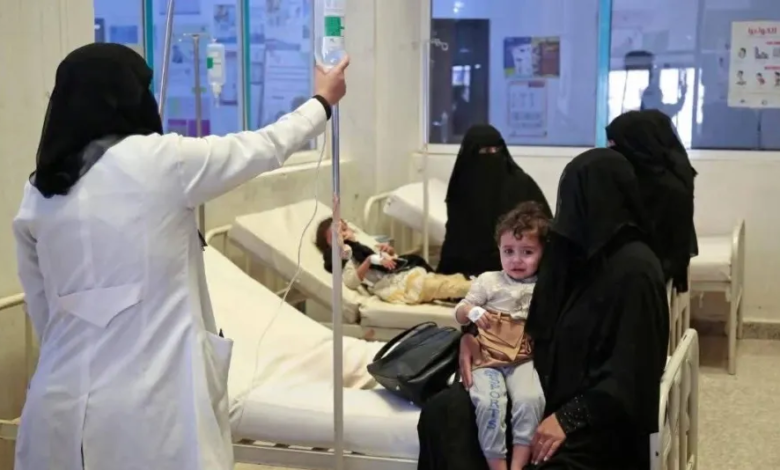
على الصعيد المحلي، يضع تفشي الملاريا عبئًا هائلاً على ما تبقى من النظام الصحي. فالمستشفيات والمراكز الصحية القليلة العاملة تعاني بالفعل من نقص حاد في الأدوية والمستلزمات الطبية والكوادر البشرية، وتجد نفسها الآن غارقة في استقبال أعداد متزايدة من مرضى الملاريا، مما يؤثر على قدرتها على تقديم الرعاية للحالات الطارئة الأخرى. أما على الصعيد الدولي، فقد دقت منظمات إنسانية مثل منظمة الصحة العالمية واليونيسف ناقوس الخطر، محذرة من أن الوضع قد يخرج عن السيطرة ما لم يتم توفير دعم عاجل. وتواجه هذه المنظمات تحديات لوجستية وأمنية كبيرة في إيصال المساعدات الطبية إلى المناطق الأكثر تضررًا، مما يستدعي تضافر الجهود الدولية للضغط من أجل تأمين ممرات إنسانية آمنة وزيادة التمويل المخصص للاستجابة الصحية في اليمن.